
Why Your Bedroom Doesn’t Feel Relaxing
Why your bedroom doesn’t feel relaxing often comes down to furniture, layout, and clutter. Learn how to create a calm and comfortable space.
A bedroom is meant to be a place of rest, but many homes struggle to achieve that feeling. If your space looks fine but still feels off, there’s usually a deeper reason. Why your bedroom doesn’t feel relaxing is rarely about décor alone—it’s about how furniture, layout, and everyday use come together.
For real-world inspiration on calming interiors, platforms like Houzz showcase excellent relaxing bedroom ideas that focus on comfort, layout, and simplicity.
If you’re working with limited space, this guide on furniture for small homes in India offers practical ways to improve functionality.
Table of Contents
ToggleThe Real Reasons Your Bedroom Feels Unsettled
Most people assume the solution is adding more décor or changing colors. In reality, the issue is often more practical. Common bedroom design mistakes like poor layout, oversized furniture, or cluttered surfaces disrupt both visual balance and comfort.
A relaxing bedroom is not just about aesthetics—it’s about how the space functions daily. From movement flow to furniture placement, every decision contributes to how the room feels.
Many of these issues are similar to what homeowners experience in other spaces, which is why a well-planned living room furniture collection also focuses on layout and balance.
You can also explore common bedroom design mistakes from The Spruce to better understand what prevents a space from feeling calm and functional.
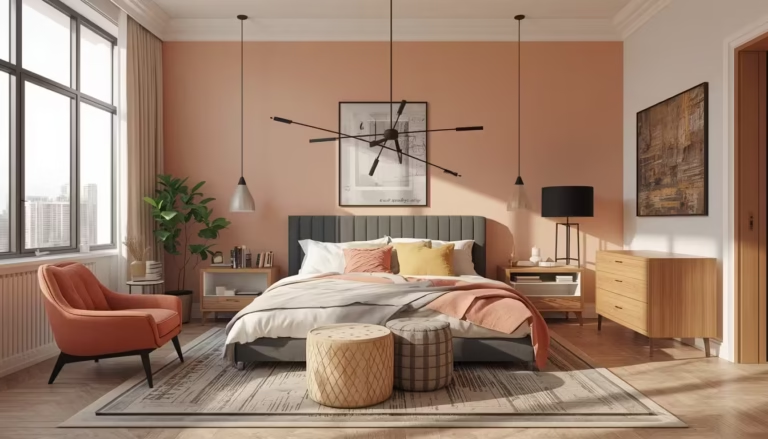
Your Layout Isn’t Working
A poorly planned layout can make even a well-furnished bedroom feel uncomfortable. One of the most common bedroom design mistakes is placing furniture without considering movement or spacing.
Good bedroom layout tips focus on:
- Keeping clear pathways around the bed
- Avoiding blocked access to wardrobes or windows
- Ensuring enough space for movement
For example, placing a bed too close to a wall or crowding it with side tables can make the room feel restrictive. Small changes—like repositioning the bed or reducing unnecessary furniture—can significantly improve flow.
Understanding how to make bedroom relaxing often starts with fixing layout before adding anything new. In open-plan layouts, choosing the right dining room furniture for modern homes can also influence how spacious and comfortable adjacent areas feel.
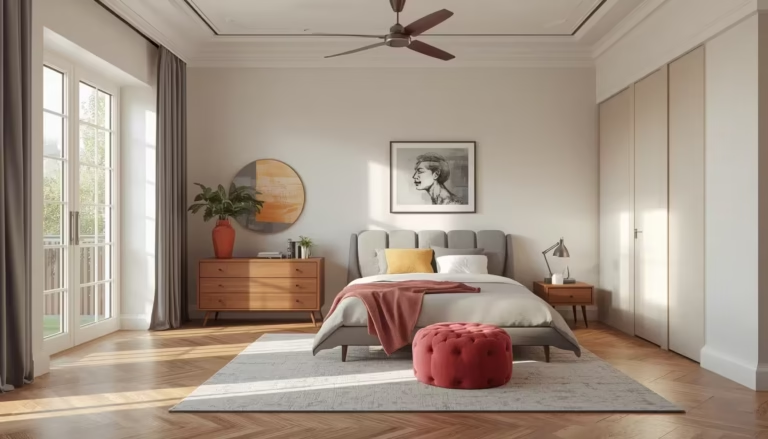
Your Furniture Choices Are Working Against You
Furniture plays a major role in how your bedroom feels. Oversized beds, bulky wardrobes, or mismatched pieces can create visual heaviness.
Thoughtful bedroom furniture ideas focus on:
- Choosing proportionate furniture
- Maintaining consistency in design
- Avoiding unnecessary pieces
For instance, a large wardrobe in a compact room can dominate the space, while too many small pieces can create clutter. Balanced furniture selection is key to avoiding common bedroom design mistakes.
When planning bedroom furniture ideas, always prioritize comfort and usability over quantity. Exploring a well-designed bedroom furniture collection can help you choose pieces that balance comfort and proportion.
Choosing the best furniture materials for Indian homes also plays a role in comfort, durability, and overall feel.
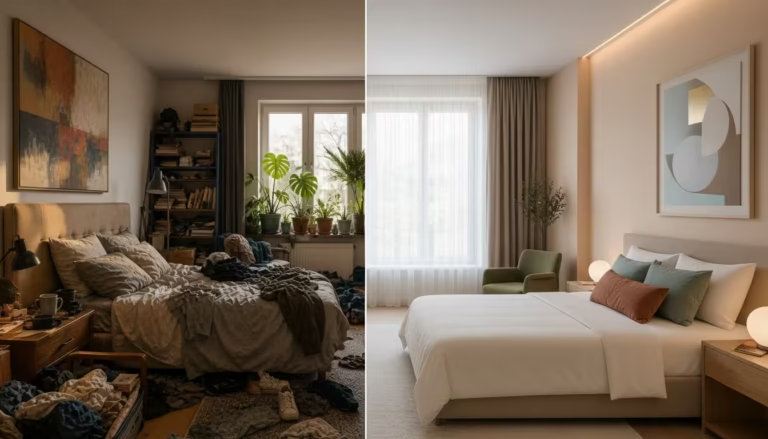
You Have Too Much Clutter
Clutter is one of the biggest reasons why your bedroom doesn’t feel relaxing. Even well-designed rooms lose their calmness when surfaces are overloaded.
This includes:
- Excess décor items
- Unorganized storage
- Too many visible objects
Clutter doesn’t just affect appearance—it impacts how your mind responds to the space. A crowded room feels stressful, even if everything else is well-designed.
To fix this:
- Keep only essential items visible
- Use smart storage solutions
- Maintain clean surfaces
These small changes align with practical bedroom layout tips and are essential when learning how to make bedroom relaxing. Decluttering is often the fastest and most effective step toward transforming your bedroom into a calm and comfortable space.
Your Bed Setup Isn’t Comfortable
Your bed is the centerpiece of the room, so if it isn’t comfortable or properly set up, the entire space feels off. One of the most overlooked bedroom design mistakes is focusing only on how the bed looks rather than how it functions.
If you’re wondering why your bedroom doesn’t feel relaxing, start here.
Common issues include:
- A mattress that doesn’t suit your body
- Poor-quality pillows or bedding
- Bed height that feels awkward
- Lack of proper side support (like nightstands)
Comfort isn’t just about softness—it’s about support and usability. When exploring bedroom furniture ideas, prioritize a bed that fits your needs rather than just your aesthetic.
To improve your setup:
- Choose a mattress suited to your comfort preference
- Use breathable, high-quality bedding
- Ensure easy access on both sides of the bed
Fixing your bed setup is one of the most direct ways to improve how the entire room feels.
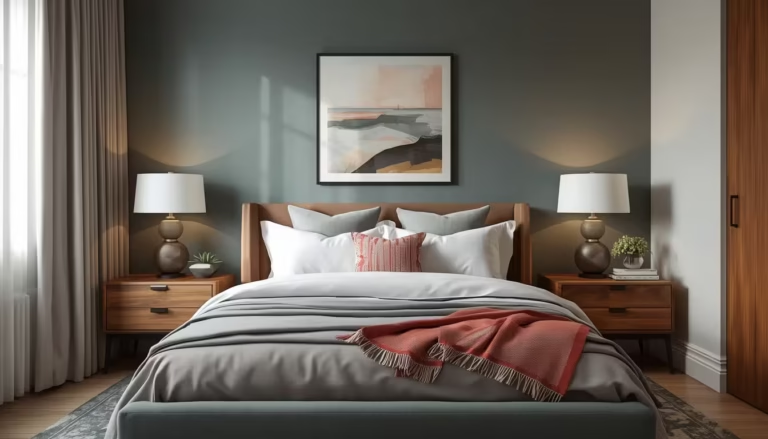
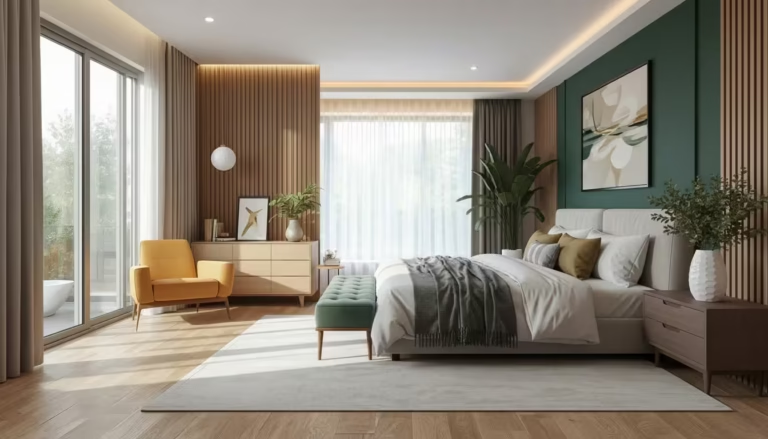
You’re Not Layering the Space Properly
A bedroom without layers often feels flat and uninviting. Even if the layout and furniture are correct, the space may still lack warmth.
If you’re learning how to make bedroom relaxing, layering is essential.
This includes:
- Rugs to define the sleeping area
- Cushions and throws for texture
- Curtains that soften the space
These elements help connect furniture pieces and create visual comfort. Many bedroom furniture ideas focus only on core items, but layering is what completes the space.
Ignoring this step is one of the subtle bedroom design mistakes that prevents a room from feeling finished. For a more refined perspective, platforms like Architectural Digest offer premium bedroom styling inspiration from professionally designed interiors.
You’re Ignoring Lighting and Balance
Lighting has a direct impact on how relaxing a bedroom feels. Harsh or uneven lighting can make the space feel clinical rather than calming.
Good bedroom layout tips include:
- Using multiple light sources
- Combining ambient and task lighting
- Avoiding overly bright ceiling lights
Understanding how to make bedroom relaxing involves both light and balance working together. For example, matching bedside lamps or balancing a wardrobe with lighter elements on the opposite side can create harmony.
These adjustments are simple but often overlooked bedroom design mistakes.
How to Fix It: A Simple Approach
If your bedroom doesn’t feel right, the solution isn’t to add more—it’s to refine what you already have.
Start with:
- Fixing layout using practical bedroom layout tips
- Choosing the right pieces through thoughtful bedroom furniture ideas
- Removing clutter and simplifying surfaces
- Improving comfort in your bed setup
- Adding layers for warmth and texture
This step-by-step approach helps you understand how to make bedroom relaxing without overcomplicating the process.
Understanding the differences between custom furniture vs ready made can help you make better decisions for long-term comfort.
Conclusion
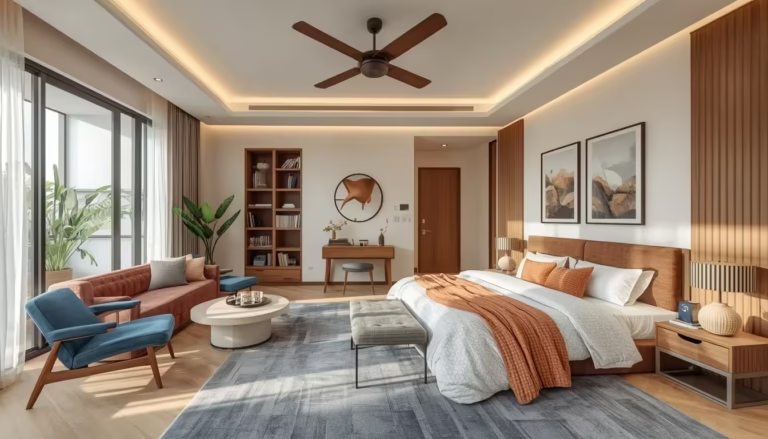
If you’ve been wondering why your bedroom doesn’t feel relaxing, the answer lies in how your space functions daily. It’s not about adding more décor or following trends—it’s about making intentional choices.
By avoiding common bedroom design mistakes, applying effective bedroom layout tips, and selecting the right bedroom furniture ideas, you can transform your room into a calm and comfortable environment.
Once you understand how to make bedroom relaxing, every element—from your bed to your lighting—starts working together. The result is a space that doesn’t just look good, but truly feels like a place to unwind.