
6 Signs of Good Quality Furniture Before You Buy
Good quality furniture lasts longer, looks better, and offers greater value. Learn the key signs to look for before buying furniture for your home.
Choosing furniture is a long-term investment. While design and price often influence buying decisions, the true value of a piece lies in its quality. Investing in good quality furniture means better durability, greater comfort, and fewer replacements over time. Whether you’re furnishing a new home or upgrading a single room, knowing what to look for before making a purchase can save both money and frustration.
Many homeowners focus on appearance without paying attention to construction, materials, or craftsmanship. However, learning how to identify good quality furniture helps you make informed decisions and choose pieces that continue to perform well for years. This guide highlights six practical signs that separate premium furniture from lower-quality alternatives.
If you’re comparing different types of furniture, browsing furniture buying advice from Houzz can help you understand what separates premium furniture from lower-quality alternatives.
Table of Contents
ToggleWhy Furniture Quality Matters
Furniture is something you use every day. A dining table hosts family meals, a bed supports restful sleep, and a sofa becomes the centre of everyday living. Choosing good quality furniture ensures these pieces remain comfortable, functional, and visually appealing over the long term.
High-quality furniture typically offers:
- Better durability
- Superior craftsmanship
- Improved comfort
- Greater long-term value
- Easier maintenance
Rather than replacing worn-out furniture every few years, investing in high quality furniture often proves more economical over its lifetime.
Understanding furniture quality also helps you compare products more confidently instead of relying only on brand names or price tags.
Looking for furniture built to last? Explore our living room furniture collection to discover premium pieces designed with quality materials and expert craftsmanship.
1. Check the Material
The material is one of the clearest indicators of good quality furniture.
Solid wood, premium plywood, high-grade engineered wood, and durable upholstery fabrics generally perform better than lower-quality alternatives when properly manufactured.
When evaluating materials, pay attention to:
- Consistency of the wood grain
- Surface uniformity
- Thickness of panels
- Fabric durability
- Edge finishing
Different materials serve different purposes, so there is no single “best” choice for every home. The key is understanding whether the material matches the intended use of the furniture.
If you’re planning to upgrade your bedroom, browse our bedroom furniture collection to see beds, wardrobes, and bedside tables crafted for long-term durability.
Learning how to identify good quality furniture begins with understanding what it is made from and how those materials contribute to strength, durability, and appearance.
If you’re unsure which material best suits your lifestyle, following trusted furniture buying tips can help you compare options based on maintenance, durability, and budget rather than appearance alone.
Not sure which material is right for your home? Read our guide on best furniture materials for Indian homes to compare the advantages of different furniture materials.
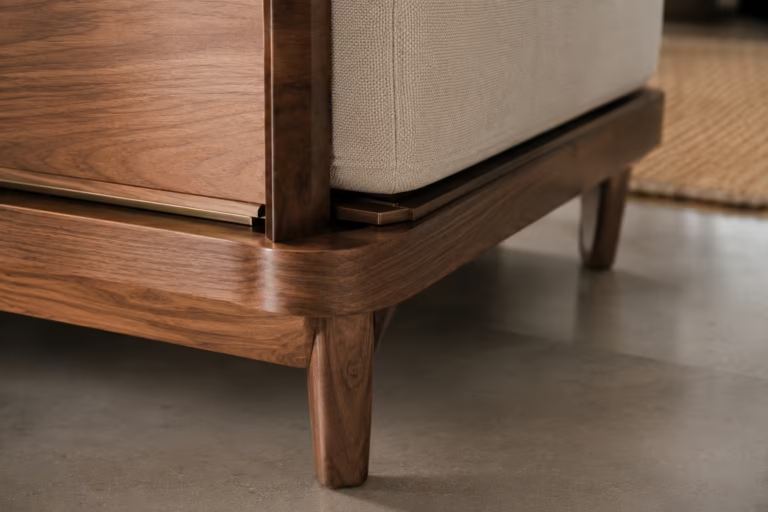
2. Inspect the Joinery
Even premium materials cannot compensate for poor construction. One of the strongest signs of high quality furniture is the way individual components are joined together.
Well-crafted furniture uses strong joinery techniques that improve both durability and stability.
Look for:
- Tight, clean joints
- Secure corner construction
- Reinforced connections
- Smooth alignment between panels
Avoid furniture with visible gaps, uneven edges, or loose-fitting components, as these may indicate lower manufacturing standards.
Good joinery improves overall furniture quality by reducing movement, preventing premature wear, and increasing structural strength.
Whether you’re purchasing a dining table, wardrobe, or bed, inspecting the construction is one of the most effective ways of understanding how to identify good quality furniture before making a purchase.
Well-built dining furniture should feel sturdy and secure. Explore our dining room furniture collection to see examples of quality craftsmanship in every detail.
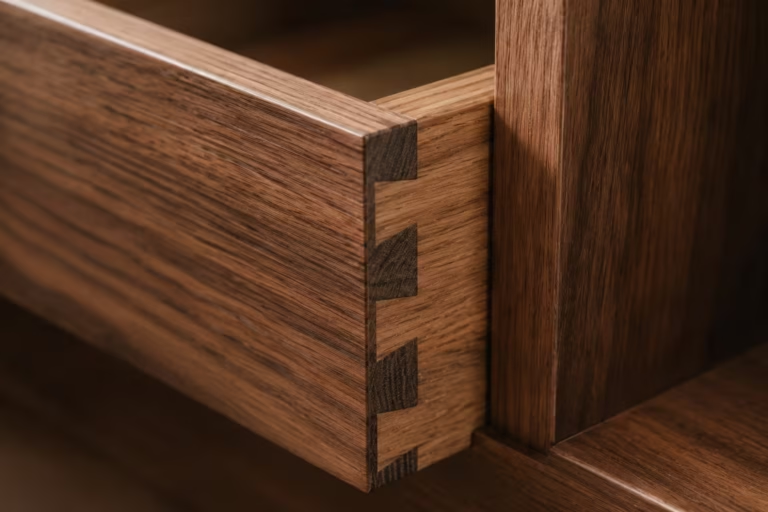
3. Examine the Finish
A quality finish protects furniture while enhancing its overall appearance. It should feel smooth, consistent, and professionally applied without obvious imperfections.
When inspecting a piece of good quality furniture, check for:
- Even colour across all surfaces
- Smooth edges and corners
- Uniform texture
- No bubbling, peeling, or rough patches
- Clean finishing around joints and hardware
The finish should not only improve appearance but also provide protection against everyday wear.
Well-finished high quality furniture maintains its appearance for years while resisting scratches, stains, and moisture more effectively than poorly finished alternatives.
Paying attention to these details is one of the simplest furniture buying tips because surface quality often reflects the level of care taken throughout the manufacturing process.
By this stage, you’ve already evaluated three important aspects of furniture quality—materials, construction, and finishing. Together, they provide a strong indication of whether a piece is built to last.
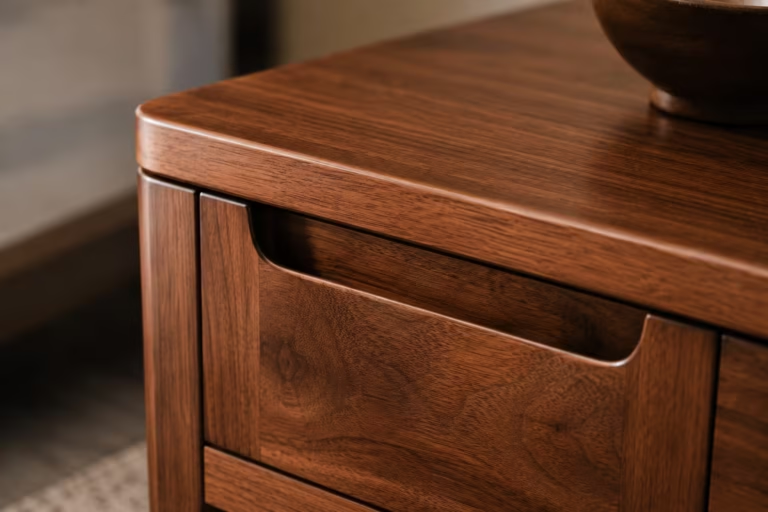
4. Test Stability and Strength
A piece of furniture may look attractive, but its true quality becomes evident when you interact with it. One of the simplest ways to evaluate good quality furniture is by checking its stability.
A well-built piece should feel solid and secure without wobbling, creaking, or shifting under normal use.
When inspecting furniture, look for:
- Stable legs and base
- Even weight distribution
- Strong frame construction
- Smooth operation of moving parts
- No unusual movement when gently pushed
Testing stability gives you a better understanding of the overall furniture quality and whether the piece has been engineered for everyday use.
Many experienced buyers include this as one of their essential furniture buying tips because structural strength cannot always be judged by appearance alone.
For additional wood furniture buying guide recommendations, The Spruce offers practical advice on evaluating furniture construction, stability, and long-term durability.
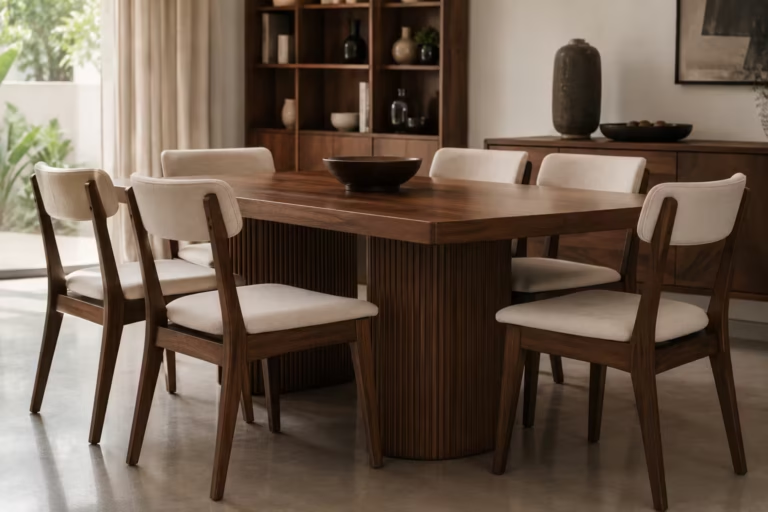
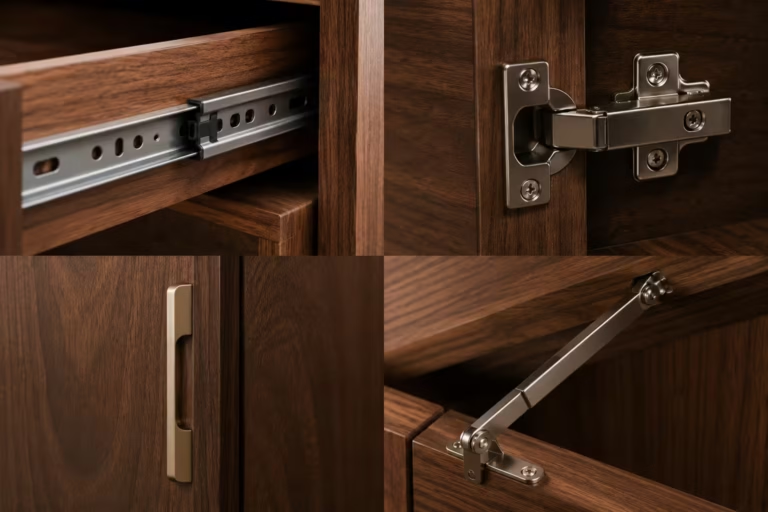
5. Look at the Hardware
The quality of hardware is often overlooked, yet it plays an important role in the durability and functionality of furniture.
Items such as hinges, drawer runners, handles, and lifting mechanisms should operate smoothly without resistance or excessive noise.
When evaluating high quality furniture, pay attention to:
- Smooth-opening drawers
- Soft-close mechanisms
- Strong hinges
- Secure handles
- Durable fittings
Quality hardware improves the overall user experience while extending the lifespan of the furniture.
Understanding how to identify good quality furniture also means looking beyond the visible surfaces. Premium hardware often reflects the manufacturer’s attention to detail and commitment to long-term performance.
To see how premium materials and construction come together in professionally designed interiors, explore expert furniture craftsmanship insights from Architectural Digest.
6. Ask About Craftsmanship and Warranty
One of the final signs of good quality furniture is the confidence the manufacturer has in its own workmanship.
Reputable furniture makers are usually transparent about:
- Materials used
- Manufacturing process
- Construction techniques
- Care instructions
- Warranty coverage
A clear warranty does not automatically guarantee superior quality, but it often reflects the manufacturer’s willingness to stand behind its product.
Asking questions about craftsmanship also gives you valuable insight into the overall furniture quality and helps you compare different brands more objectively.
If you’re still unsure how to identify good quality furniture, speaking directly with the manufacturer or retailer is one of the smartest furniture buying tips before making a final decision.
If you’re deciding between factory-made and bespoke furniture, our guide on custom furniture over ready-made explains when investing in custom furniture offers better long-term value.
Common Furniture Buying Mistakes
Even experienced buyers can overlook important details when purchasing furniture. Avoiding a few common mistakes can help you make a better long-term investment.
Buying Based Only on Appearance
Beautiful furniture isn’t always well made. Always inspect construction, materials, and finishing rather than relying solely on design.
Choosing the Cheapest Option
Lower prices may seem attractive initially, but replacing poorly made furniture often costs more over time than investing in high quality furniture.
Ignoring Construction Details
Many buyers never inspect joints, hardware, or structural stability. These details are often the best indicators of long-term furniture quality.
Not Asking Questions
Understanding the materials, manufacturing process, and warranty helps you evaluate whether you’re truly purchasing good quality furniture.
Skipping Product Inspection
Before making a purchase, inspect the furniture in person whenever possible. Looking closely at materials, finish, and hardware makes it much easier to identify quality differences.
Want to learn more about one of the most durable furniture materials? Explore our guide on solid wood furniture for Indian homes to understand its benefits, maintenance, and suitability for modern homes.
Conclusion
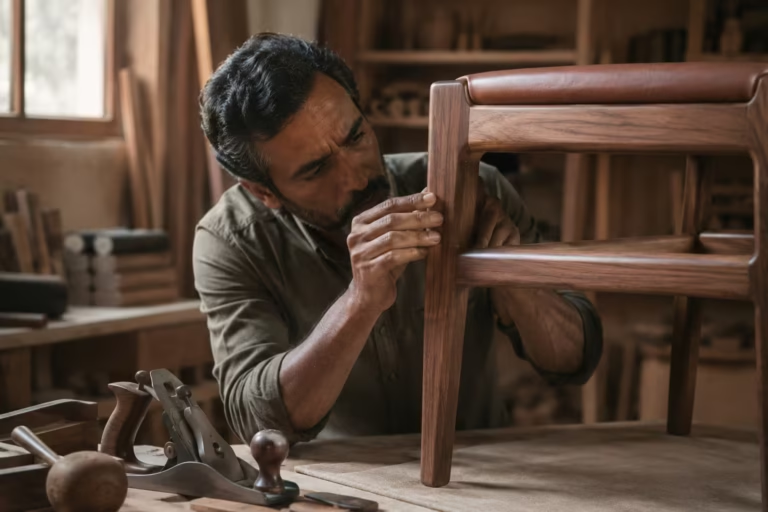
Choosing good quality furniture is about far more than appearance. The best furniture combines durable materials, strong construction, quality hardware, and expert craftsmanship to deliver lasting comfort and value.
By understanding the signs of high quality furniture, evaluating overall furniture quality, and learning how to identify good quality furniture, you can make more confident purchasing decisions and avoid costly mistakes.
Following these practical furniture buying tips will help you invest in furniture that not only looks beautiful on the day you buy it but continues to perform well for many years to come.