
Make Small Rooms Look Bigger with Furniture
Make small rooms look bigger with furniture using smart layout, scale, and design choices that improve space, flow, and visual balance.
Small rooms are a reality in many modern homes, especially in urban India where space is limited but expectations from interiors remain high. The good news is that you can make small rooms look bigger with furniture by focusing on the right layout, scale, and design decisions. Instead of relying on structural changes, the way you choose and arrange furniture can dramatically improve how spacious your room feels.
For more visual inspiration, platforms like Houzz showcase excellent small space design ideas for modern homes.
Table of Contents
ToggleWhy Furniture Matters More Than Size
When a room feels cramped, the issue is rarely just square footage. In most cases, it comes down to poor furniture choices. Oversized pieces, incorrect layouts, and lack of visual balance can make even a decent-sized room feel tight.
Using the right furniture for small rooms ensures that every element serves a purpose without overwhelming the space. The goal is not to reduce furniture, but to optimize it.
This is where well-planned small room furniture ideas become essential. Instead of filling a room, furniture should create openness, movement, and clarity. For a deeper understanding of optimizing compact spaces, explore our guide on furniture for small homes in India.
Choose the Right Scale and Proportion
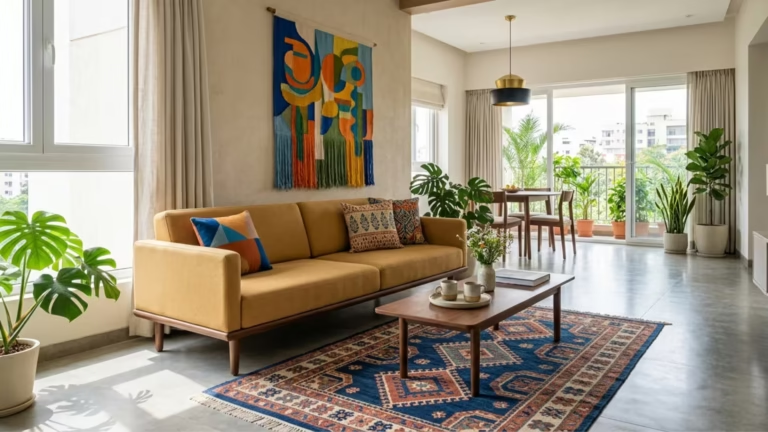
One of the most common mistakes in small living room design is choosing furniture that is too large for the space. A bulky sofa or oversized table can instantly shrink how a room feels. Explore our living room furniture collection designed specifically for modern compact homes.
To make small rooms look bigger with furniture, focus on proportion:
- Opt for sofas with slimmer arms and raised legs
- Choose compact coffee tables instead of heavy centerpieces
- Avoid deep seating that eats into walking space
Balanced proportions create breathing room, which is critical in furniture layout for small spaces. Choosing the best furniture materials for Indian homes also plays a role in how light or heavy your space feels.
Use Space-Saving Furniture Strategically
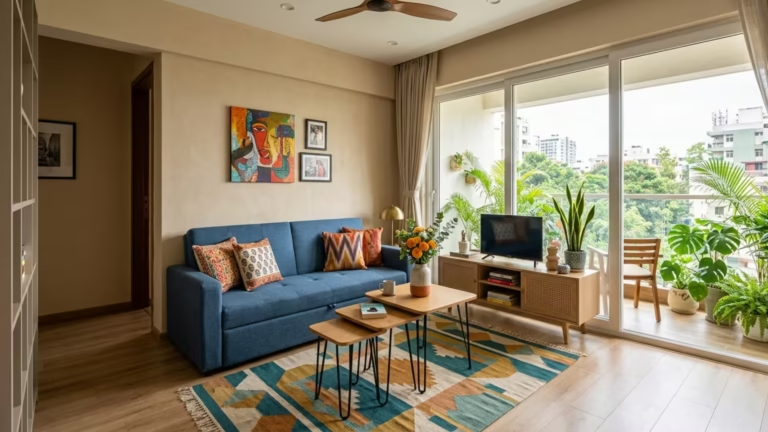
Not all furniture needs to be permanent or single-purpose. Smart space saving furniture can dramatically improve usability without adding clutter.
Consider:
- Foldable dining tables
- Storage ottomans
- Nesting tables
- Wall-mounted desks
These pieces allow flexibility while maintaining a clean look. The key is to integrate space saving furniture without making the room feel mechanical or over-designed.
When done right, these solutions support both functionality and aesthetics in furniture for small rooms.
Optimize Furniture Layout for Better Flow
Even the best furniture will fail if the layout is wrong. Poor arrangement blocks movement and creates visual congestion.
Effective furniture layout for small spaces focuses on:
- Clear walking paths
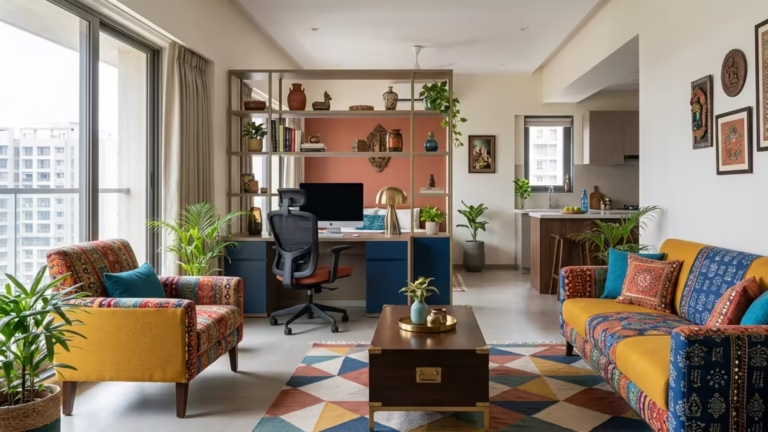
- Defined zones (seating, dining, work)
- Minimal obstruction
Avoid pushing all furniture against the walls. While it may seem logical, it often creates awkward empty centers and disrupts balance.
Instead, create intentional layouts that guide movement naturally. This approach not only improves usability but also helps make small rooms look bigger with furniture. If you need inspiration, these living room layout ideas for Indian apartments can help you plan your space better.
Keep Visual Weight Light
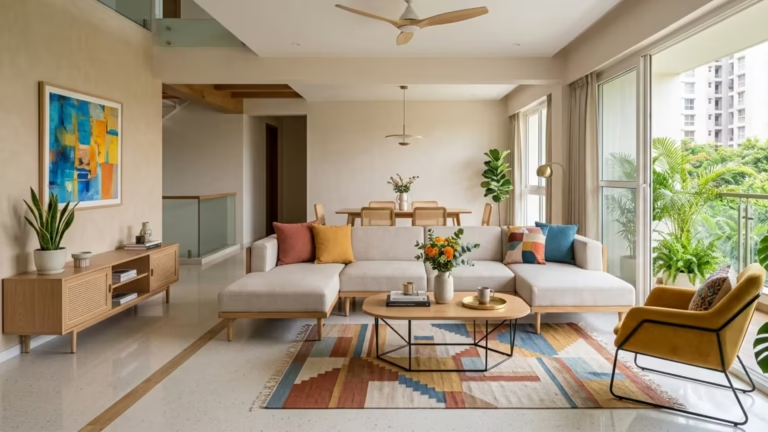
Visual weight plays a huge role in how we perceive space. Heavy, dark, and bulky furniture absorbs attention and makes rooms feel smaller.
To counter this:
- Choose furniture with open bases or legs
- Use lighter finishes or materials
- Incorporate glass or metal elements
These choices reduce visual density and enhance openness in small living room design.
Many modern small room furniture ideas focus on creating this sense of lightness without compromising durability or comfort.
Limit the Number of Furniture Pieces
More furniture does not mean better functionality. In small spaces, every piece must justify its presence.
When selecting furniture for small rooms, ask:
- Does this serve a purpose?
- Does it improve usability?
- Does it visually clutter the space?
A curated approach ensures that your room feels intentional rather than crowded.
This is a core principle behind effective small room furniture ideas – doing more with less.
Use Multi-Functional Furniture
Multi-functional pieces are essential in compact homes. They allow you to maximize utility without increasing volume.
Examples include:
- Sofa-cum-beds
- Beds with storage
- Extendable dining tables
These are classic examples of space saving furniture that adapt to your needs throughout the day.
When integrated into a thoughtful furniture layout for small spaces, they help maintain both flexibility and visual clarity. Smart bedroom furniture solutions like storage beds can significantly reduce clutter.
Create Zones Without Clutter
Even small rooms benefit from defined zones. A living area, reading corner, or workspace can coexist if planned correctly.
Use furniture placement to subtly define these areas:
- A rug under the seating area
- A compact chair in a corner
- A slim console for separation
This approach enhances structure in small living room design without adding physical barriers.
To understand how zoning works in modern interiors, publications like The Spruce provide practical insights into layout planning. You can also explore practical furniture arrangement tips from The Spruce to better understand how layouts impact space.
Avoid Common Furniture Mistakes
Many homeowners unknowingly make choices that reduce space efficiency. Avoid these:
- Oversized sofas in compact rooms
- Too many small pieces instead of fewer functional ones
- Ignoring vertical space
- Blocking natural light with furniture placement
Correcting these mistakes is often enough to make small rooms look bigger with furniture without any additional investment.
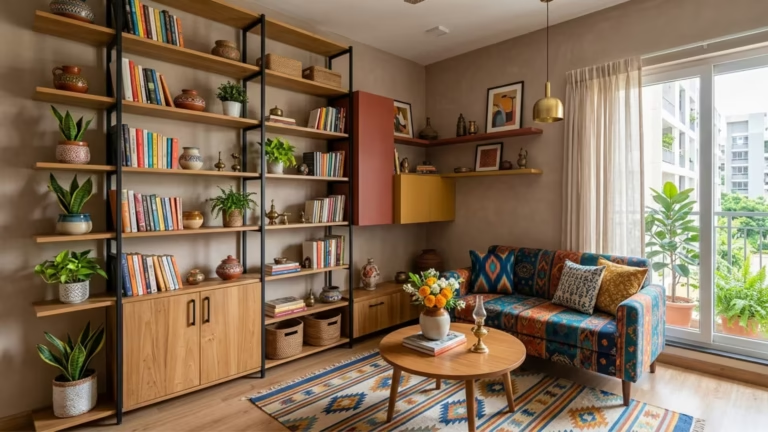
Focus on Vertical Space
When floor space is limited, vertical space becomes valuable.
Use:
- Tall shelving units
- Wall-mounted storage
- Vertical design elements
This reduces floor clutter and enhances perceived height, which is a key factor in small living room design.
Vertical thinking is one of the most underutilized small room furniture ideas, yet it delivers immediate results.
Maintain Consistency in Design
A mix of too many styles, materials, or colors can fragment the space visually.
To avoid this:
- Stick to a cohesive design language
- Limit material variations
- Maintain consistent finishes
This creates harmony, which is essential in furniture layout for small spaces.
Consistency allows the eye to move smoothly across the room, making it feel larger than it is. Compact dining room furniture for small spaces helps maintain functionality without crowding the room.
Make Smart Use of Negative Space
Empty space is not wasted space. It is a design tool. Allow gaps between furniture pieces. Avoid filling every corner. This creates visual pauses, which are essential for balance.
In well-executed small room furniture ideas, negative space plays as important a role as the furniture itself.
Conclusion
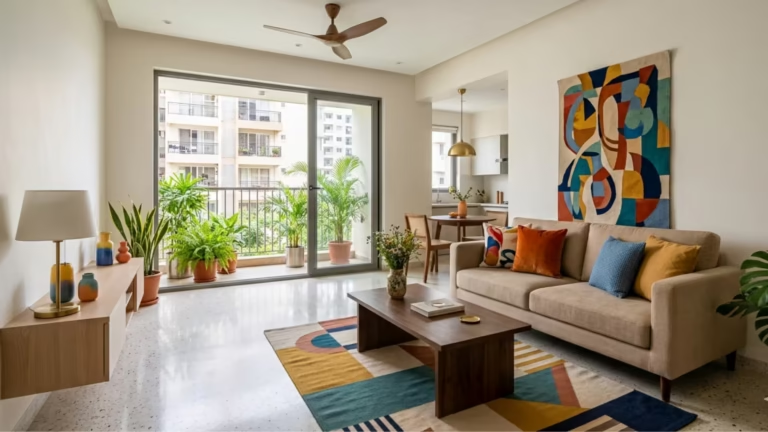
To make small rooms look bigger with furniture, the focus should always be on intention rather than quantity. The right furniture choices—balanced in scale, smart in function, and clean in layout—can transform even the most compact space into something open and refined.
By applying thoughtful small room furniture ideas, integrating space saving furniture, and refining your furniture layout for small spaces, you create a home that feels larger, more functional, and visually calm.
Small spaces are not a limitation. With the right approach to furniture for small rooms, they become an opportunity for smarter, more efficient design.