
6 Furniture Placement Mistakes That Ruin Your Space
Furniture placement mistakes can make any room feel awkward and uncomfortable. Learn 6 simple fixes for a better furniture layout.
A room can have beautiful furniture and still feel uncomfortable. In many homes, the issue is not the furniture itself, but how it is arranged. Common furniture placement mistakes often disrupt movement, create imbalance, and make spaces feel smaller than they actually are.
The right layout improves both functionality and comfort. Whether you are working with a compact apartment or a larger home, thoughtful placement makes a major difference. Platforms like Houzz regularly showcase how smart layouts and practical styling choices transform modern interiors.
Table of Contents
ToggleWhy Furniture Placement Matters
Furniture arrangement affects how a room looks, feels, and functions every day. Even high-quality interiors can feel awkward when spacing and proportions are not planned correctly.
Good furniture layout ideas focus on:
- Comfortaable movement
- Visual balance
- Functional spacing
- Better usability
Many homeowners focus only on filling empty space instead of understanding how furniture interacts with the room itself. This is why practical room layout tips are essential when designing comfortable interiors.
A balanced living room furniture layout should support both movement and conversation while keeping the room visually open. Lets now discuss 6 simple fixes for a better furniture layout.
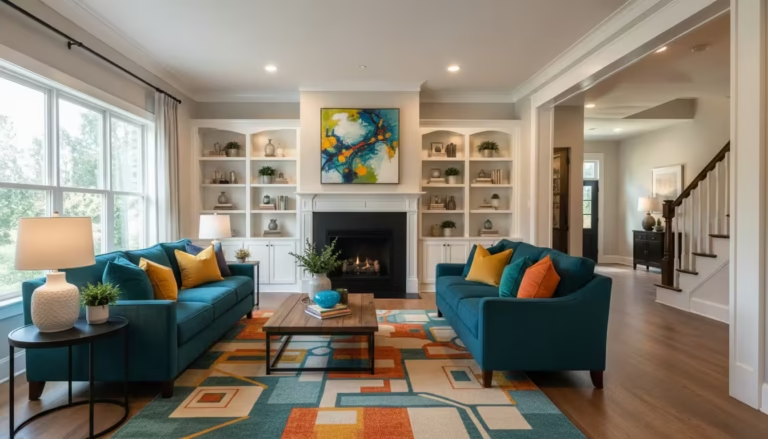
Pushing All Furniture Against the Walls
One of the most common furniture placement mistakes is placing every piece directly against the walls. Many people assume this creates more space, but it often does the opposite.
When furniture is pushed outward:
- The center of the room feels empty
- Seating arrangements feel disconnected
- Rooms lose visual balance
Instead, good furniture arrangement ideas focus on creating intentional zones within the room.
For example:
- Pulling the sofa slightly inward
- Positioning chairs around a central table
- Using rugs to define seating areas
These simple changes improve flow and create a more cohesive living room furniture layout.
In smaller homes, thoughtful spacing is more effective than simply trying to maximize open floor area. Some of the best room layout tips involve creating balance rather than pushing everything outward.
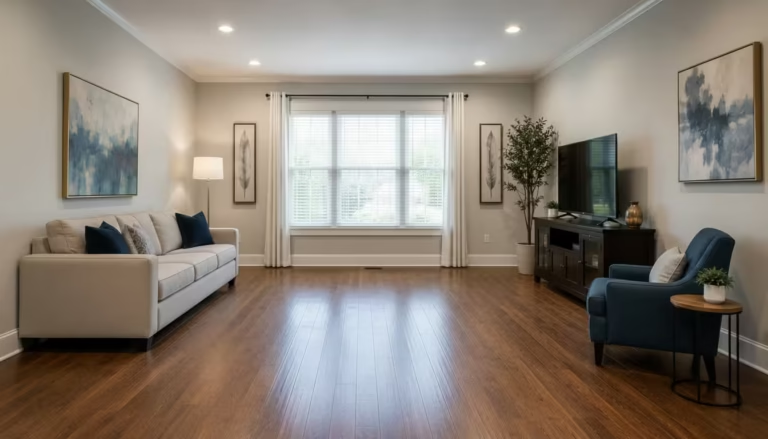
Blocking Natural Movement Paths
A room should feel easy to move through. Unfortunately, many layouts unintentionally block natural walking paths.
This is one of the most overlooked furniture placement mistakes because it affects usability more than appearance.
Examples include:
- Coffee tables placed too close to sofas
- Large furniture blocking entryways
- Chairs interrupting walkways
Good furniture layout ideas prioritize movement first. Every room should have clear pathways that allow people to move comfortably without navigating around obstacles.
One of the most useful room layout tips is to identify the natural walking path before placing larger furniture pieces. Once movement is planned properly, the rest of the arrangement becomes easier.
A functional living room furniture layout should feel open and natural rather than crowded or restrictive. Poor spacing and blocked movement are also common reasons why your bedroom doesn’t feel relaxing in compact homes.
Practical furniture arrangement ideas often focus on simplifying layouts instead of filling every corner with furniture. You can also explore practical living room layout tips from The Spruce to better understand spacing and movement flow.
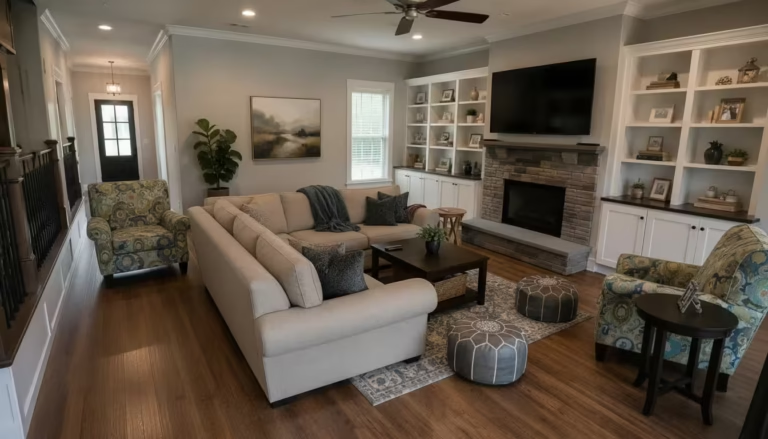
Choosing Furniture That’s Too Large
Oversized furniture is another major reason rooms feel awkward. A large sofa or bulky table can dominate the space and reduce functionality.
This issue is especially common in apartments and compact homes where scale matters significantly.
Good furniture layout ideas always consider proportion. Furniture should fit the room without overwhelming it.
Signs furniture may be too large:
- Limited walking space
- Blocked windows or doors
- Rooms feeling visually heavy
Avoiding these furniture placement mistakes starts with understanding room dimensions before buying furniture.
Instead of choosing the biggest possible pieces, focus on balance and usability. Many modern furniture arrangement ideas prioritize lighter layouts with cleaner spacing.
Compact bedroom furniture solutions are especially important in smaller homes where proportion and spacing matter.
One of the most effective room layout tips is leaving enough breathing space around larger furniture pieces. This helps rooms feel more open and comfortable.
A balanced living room furniture layout should support daily use while maintaining visual harmony. Understanding the differences between custom furniture vs ready made can help you choose furniture that fits your space more effectively.
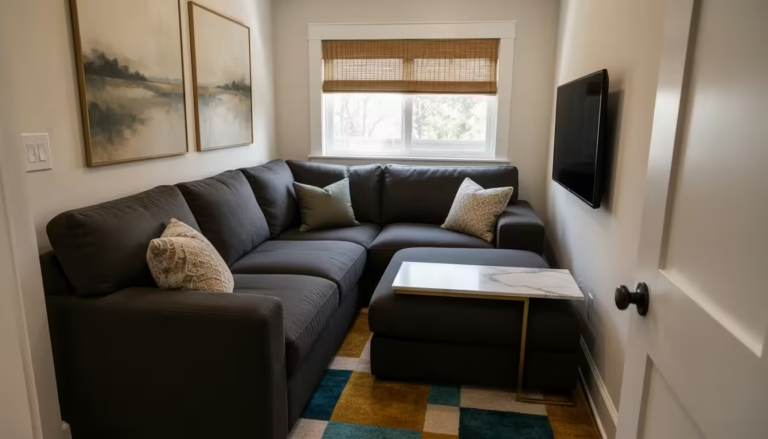
Ignoring Visual Balance
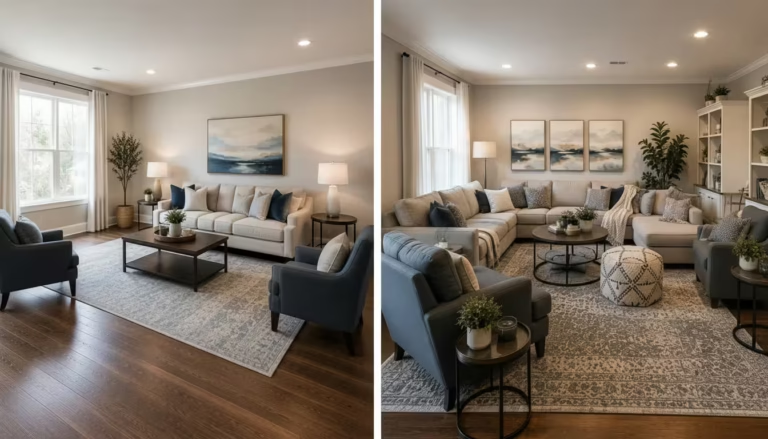
A room can feel uncomfortable even when there is enough space. This usually happens because the furniture is visually unbalanced.
One side of the room may feel heavier due to oversized furniture, dark colors, or clustered arrangements, while the other side feels empty. These subtle furniture placement mistakes affect how comfortable a room feels without homeowners immediately realizing why.
Good furniture arrangement ideas focus on distributing visual weight evenly throughout the room.
For example:
- Pairing a large sofa with accent chairs
- Balancing tall storage units with lighter elements
- Avoiding all heavy furniture on one side
Many effective furniture layout ideas are built around creating harmony rather than perfect symmetry.
This is especially important in a living room furniture layout, where seating arrangements naturally become the visual center of the space.
One of the most practical room layout tips is stepping back and viewing the room as a whole rather than focusing on individual furniture pieces separately. Choosing dining room furniture for modern homes with balanced proportions helps maintain better visual flow across connected spaces.
Using Too Much Furniture
Another common mistake is trying to fill every empty area. More furniture does not always make a room more functional.
In fact, overcrowding is one of the biggest furniture placement mistakes in modern homes. Too many pieces reduce movement, increase visual clutter, and make spaces feel smaller.
Good furniture layout ideas focus on selecting furniture intentionally instead of maximizing quantity.
Common signs of overcrowding include:
- Narrow walkways
- Excess decorative tables
- Too many seating pieces
- Limited open floor space
Practical furniture arrangement ideas often involve removing unnecessary furniture instead of adding more.
A clean living room furniture layout usually feels more comfortable because it prioritizes usability and breathing space. Many overcrowded layouts can also be improved by using smarter storage solutions for small homes instead of adding extra furniture.
One of the simplest room layout tips is to evaluate whether every furniture piece actually serves a purpose. If not, the room may function better without it.
Missing a Clear Focal Point
Every well-designed room needs a focal point. Without one, layouts can feel random and disconnected.
This is one of the most overlooked furniture placement mistakes because many people arrange furniture without establishing a visual center.
A focal point could be:
- A TV unit
- A statement sofa
- A coffee table arrangement
- Artwork or shelving
Strong furniture layout ideas organize seating and movement around this focal point.
For example, in a living room furniture layout, seating should naturally face or connect to the room’s primary feature. Random furniture placement often creates awkward gaps and disconnected seating arrangements.
Well-planned furniture arrangement ideas create intentional structure while improving how the room feels overall.
One of the most useful room layout tips is identifying the focal point before placing major furniture pieces. This helps the room feel more cohesive and functional.
For a more refined perspective, platforms like Architectural Digest offer modern furniture arrangement ideas from professionally designed interiors.
Conclusion
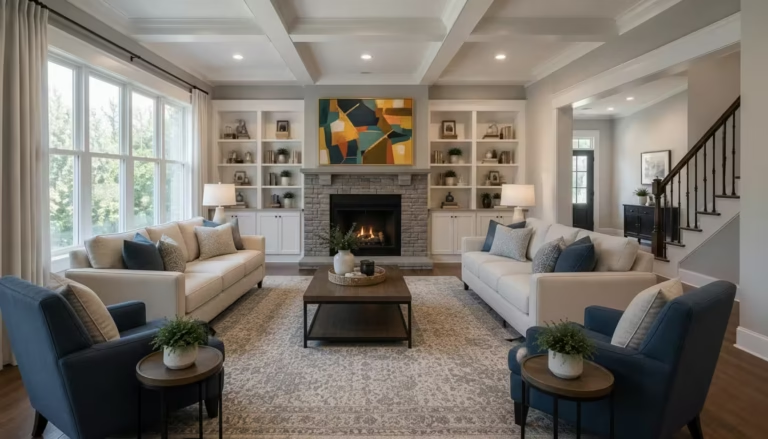
Even beautifully designed homes can feel uncomfortable when layouts are poorly planned. Most furniture placement mistakes are not caused by bad furniture—they are caused by poor spacing, imbalance, and overcrowding.
By applying smarter furniture layout ideas, following practical room layout tips, and using thoughtful furniture arrangement ideas, you can create spaces that feel more open, balanced, and functional.
Whether you are improving a compact apartment or redesigning a larger home, a well-planned living room furniture layout makes a significant difference in how the entire space feels and functions every day.