
Why Your Living Room Feels Incomplete
Why your living room feels incomplete comes down to furniture, layout, and balance. Learn how the right choices can transform your space.
A living room can look well-decorated and still feel unfinished. If you’ve ever looked around your space and felt something is missing, you’re not alone. Why your living room feels incomplete is rarely about size or budget—it’s usually about how furniture is selected, placed, and balanced. The right approach to furniture and layout can completely change how your space feels, without adding unnecessary elements.
For visual inspiration and real-world setups, platforms like Houzz offer excellent small space design ideas that show how subtle changes can transform a room. If you’re dealing with limited space, this guide on furniture for small homes in India offers practical solutions.
Table of Contents
ToggleWhy Your Living Room Feels Incomplete: The Real Reasons
Most people assume the problem is a lack of décor. In reality, it often comes down to furniture placement mistakes, poor proportions, or missing functional elements. Even premium furniture can look out of place if it doesn’t work together.
Understanding these gaps is the first step before exploring living room furniture ideas that actually solve the problem. Many modern homes, especially apartments, face issues where furniture is either too minimal or poorly arranged, leading to a space that feels disconnected.
Every well-designed living room has a focal point—a TV unit, a statement sofa, or even a central coffee table. Without it, the room feels scattered. Explore our living room furniture collection designed to create a more complete and balanced space.
One of the most common furniture placement mistakes is arranging pieces without a central anchor. This creates visual confusion and makes the room feel incomplete.
To fix this:
- Position your main seating around a focal element
- Use rugs or tables to define the center
- Avoid placing everything against the walls
Strong living room layout tips always start with establishing a clear focal point. In Indian homes where TVs are often the default focal point, ensure that seating is aligned rather than randomly placed.
Your Furniture Scale Is Off
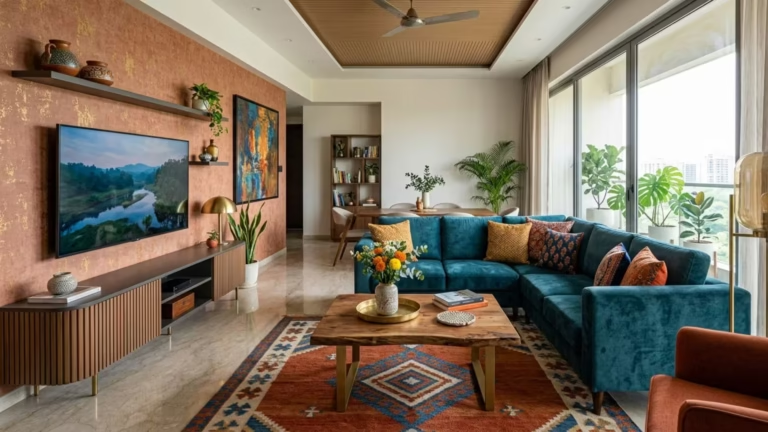
Another major reason why your living room feels incomplete is incorrect furniture scale. Oversized sofas in small rooms or tiny tables in large rooms disrupt visual balance.
Good living room furniture ideas focus on proportion:
- Choose sofas that fit your room dimensions
- Pair them with appropriately sized tables
- Maintain spacing between pieces
For example, a bulky L-shaped sofa in a compact apartment can dominate the room, leaving no space for movement. On the other hand, very small furniture in a large living room creates emptiness.
Balanced proportions are essential in modern living room furniture setups and directly impact how complete your space feels. Choosing the best furniture materials for Indian homes also impacts how light or heavy your space feels.
Your Layout Lacks Flow
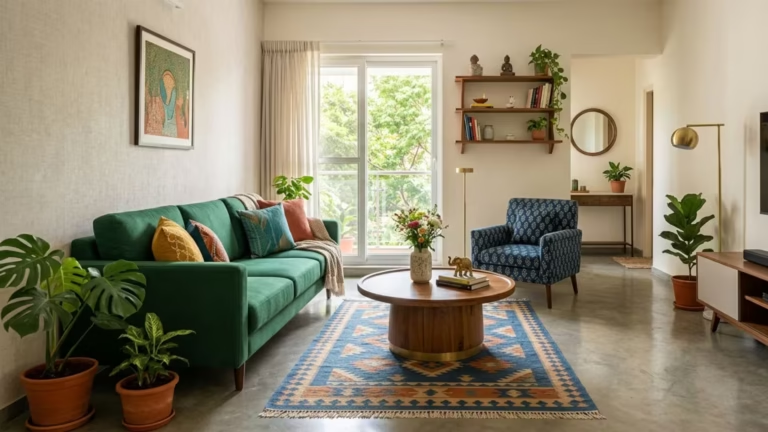
A room can feel incomplete simply because movement feels restricted. Poor layouts block pathways and create awkward empty zones.
Effective living room layout tips include:
- Maintaining clear walking paths
- Creating defined seating areas
- Avoiding cluttered corners
You can also explore practical furniture arrangement tips from The Spruce to better understand how layouts influence space.
In many Indian apartments, furniture is often pushed against walls to “create space,” but this can actually break the flow. Instead, slight repositioning—like pulling a sofa forward or adding a central table—can improve both function and aesthetics.
Fixing layout issues is one of the fastest ways to address furniture placement mistakes and improve how your room feels. You can also explore living room layout ideas for Indian apartments to better plan your space.
In many homes, especially apartments, layouts are designed without considering daily movement. For example, placing a center table too close to the sofa or blocking entry pathways can disrupt usability. Good living room layout tips focus on both comfort and movement, ensuring the space works practically while looking complete.
You’re Not Using Corners Properly
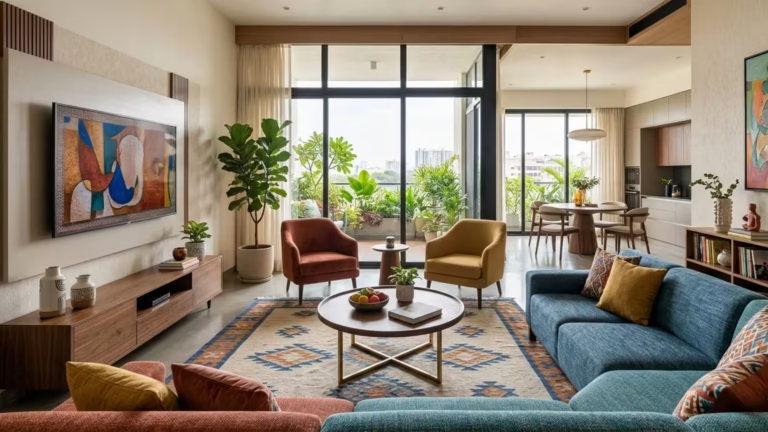
Corners are often ignored, but they play a major role in how complete a room feels. Empty corners create visual gaps, making the space feel unfinished.
This is one of the most overlooked furniture placement mistakes in modern homes.
To fix this:
- Add a compact accent chair
- Place a floor lamp for vertical balance
- Use a small side table or plant
These are simple living room furniture ideas that instantly improve the look without overcrowding.
When planned correctly, corners help improve balance and contribute to better living room layout tips overall.
You’re Missing Supporting Furniture
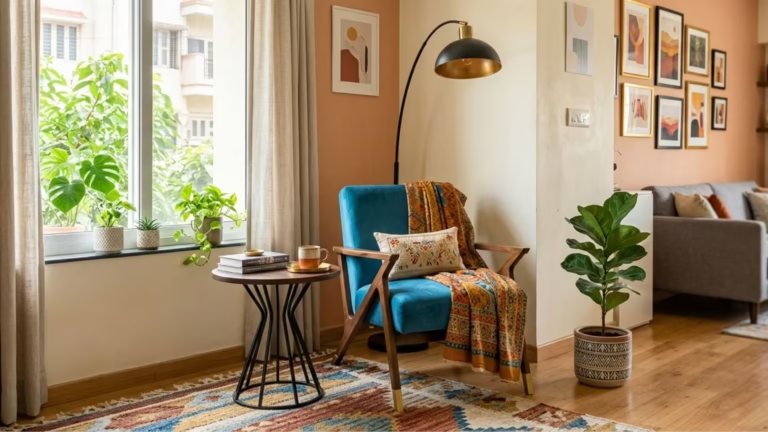
Many homes have just the basics—a sofa and maybe a TV unit. But without supporting elements, the room lacks depth.
To improve:
- Add a coffee table to anchor seating
- Include side tables for functionality
- Use accent chairs to fill empty zones
These additions are key living room furniture ideas that create completeness without overcrowding. A simple side table next to a sofa or a compact chair in an empty corner can make a noticeable difference.
A well-designed living room usually includes at least three functional layers—primary seating, secondary surfaces, and accent elements. Without this combination, even expensive setups can feel incomplete. This is where thoughtful living room furniture ideas make a difference.
Smart bedroom furniture solutions like storage units can help reduce clutter across connected spaces.
You Haven’t Layered the Space Properly
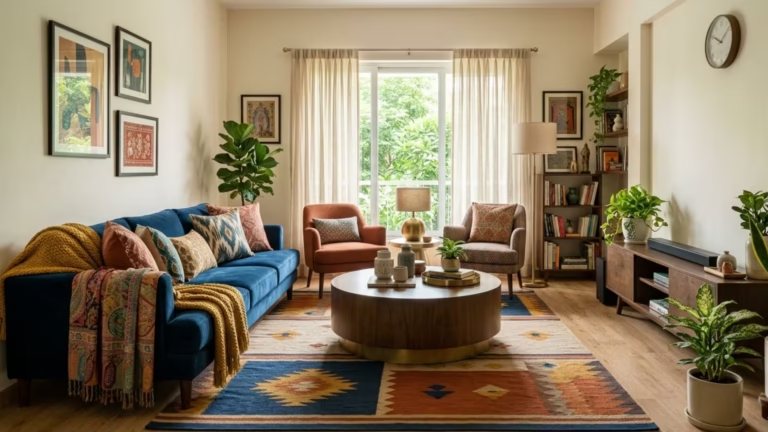
Furniture alone isn’t enough. Layering adds dimension and warmth. If you’re trying to understand how to style living room spaces effectively:
- Use rugs to define areas
- Add cushions and throws for texture
- Introduce lighting layers
Without layering, even good furniture arrangements can feel flat. This is one of the most overlooked furniture placement mistakes. Layering also helps connect different furniture pieces visually, making the room feel more cohesive and complete.
Layering is not just about decoration—it helps define zones and improves visual comfort. For example, a rug under the seating area connects furniture pieces, while lighting adds depth during evenings. If you’re learning how to style living room spaces, layering is one of the most effective techniques.
For a more refined perspective, platforms like Architectural Digest offer excellent living room styling inspiration from professionally designed spaces.
Your Design Lacks Balance
Balance is what ties everything together. If one side of the room feels heavier than the other, the space feels incomplete.
Use these living room layout tips:
- Distribute furniture evenly
- Pair larger items with smaller elements
- Avoid clustering everything in one corner
Balance is a core principle in modern living room furniture design. Even asymmetrical layouts can work, as long as visual weight is distributed thoughtfully.
Visual balance doesn’t always mean symmetry. You can balance a large sofa with two smaller chairs or a lamp with a side table. These small adjustments follow essential living room layout tips and make the room feel intentional rather than random.
You’re Mixing Styles Without Direction
Combining styles can work—but only when done intentionally. Random mixing leads to inconsistency.
If you’re trying to understand how to style living room spaces:
- Stick to a primary style
- Add variations subtly
- Maintain consistent materials or colors
For example, mixing modern and traditional furniture can work beautifully in Indian homes—but only if there’s a unifying element like color or finish. Otherwise, the room feels disconnected despite having good pieces.
This ensures your living room furniture ideas come together cohesively.
Conclusion
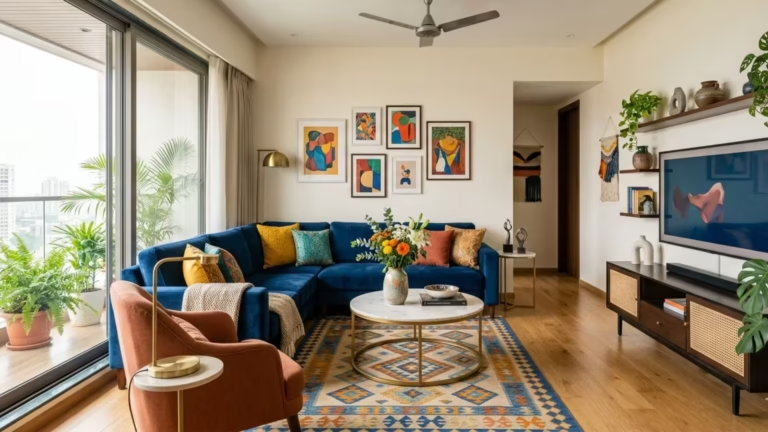
If you’ve been wondering why your living room feels incomplete, the answer lies in how your furniture works together. It’s not about adding more—it’s about choosing the right pieces, placing them thoughtfully, and creating balance.
By avoiding common furniture placement mistakes, applying smart living room layout tips, and using refined living room furniture ideas, you can transform your space into something cohesive and functional.
Once you understand how to style living room elements with intention, your space will no longer feel unfinished—it will feel complete.