
Solid Wood Furniture for Indian Homes (2026 Guide)
Solid Wood Furniture for Indian Homes offers durability, timeless design, and long-term value for urban Indian households in 2026.
From heat and humidity to daily wear, solid wood remains one of the most reliable furniture choices for Indian living conditions.
In recent years, Indian homes have seen a mix of compact apartments, hybrid workspaces, and evolving family structures. Furniture is no longer just decorative. It must last, adapt, and age well. Solid wood furniture continues to stand out because it meets these expectations without relying on trends that fade quickly.
Table of Contents
ToggleWhy solid wood furniture still matters in 2026
Indian homes place heavy demands on furniture. Temperature shifts, moisture, frequent use, and relocation all take a toll over time. Solid wood performs well under these conditions.
Unlike mass-produced alternatives, solid wood furniture can be repaired, refinished, and reused for decades. A dining table or bed made from solid wood often outlives multiple homes and interior styles. This longevity makes it both economical and sustainable in the long run.
There is also a growing preference among urban buyers for fewer but better pieces. Instead of replacing furniture every few years, homeowners are investing in items that remain structurally sound and visually relevant. Solid wood supports this shift toward mindful consumption.
For a deeper look at how durability and craftsmanship influence long-term interiors, Architectural Digest explains why natural materials continue to dominate residential design trends:
Common myths around solid wood furniture
Despite its benefits, solid wood furniture is often misunderstood.
One common myth is that solid wood furniture always looks traditional or heavy. In reality, modern craftsmanship allows for clean lines, minimal profiles, and contemporary finishes that suit urban Indian homes just as well as classic ones.
Another misconception is high maintenance. While solid wood does require basic care, it is far more forgiving than engineered materials. Minor scratches can be polished out, and surfaces can be restored instead of replaced.
Cost is another concern. While the upfront price may be higher, solid wood furniture often proves more cost-effective over time. Replacing cheaper furniture every few years adds up, both financially and environmentally.
Understanding what solid wood actually means also matters. Solid wood refers to furniture made entirely from natural wood, not compressed boards or surface veneers. For a clear definition and background, Wikipedia provides a useful overview:
Best solid wood types for Indian homes
Choosing the right type of wood is crucial for Indian conditions. Climate, usage, and placement all play a role.
Hardwoods are generally preferred because they resist warping and handle daily stress better. Woods with tighter grain structures tend to perform well in humid and dry environments alike.
For Indian homes, durability should take priority over appearance alone. A beautifully finished piece means little if it cannot withstand regular use. The best solid wood furniture balances grain strength, moisture resistance, and structural stability.
Craftsmanship is equally important. Proper seasoning, joinery, and finishing determine how well a piece performs over time. Handcrafted wooden furniture often excels here because it is built with local climate conditions in mind rather than mass-market assumptions.
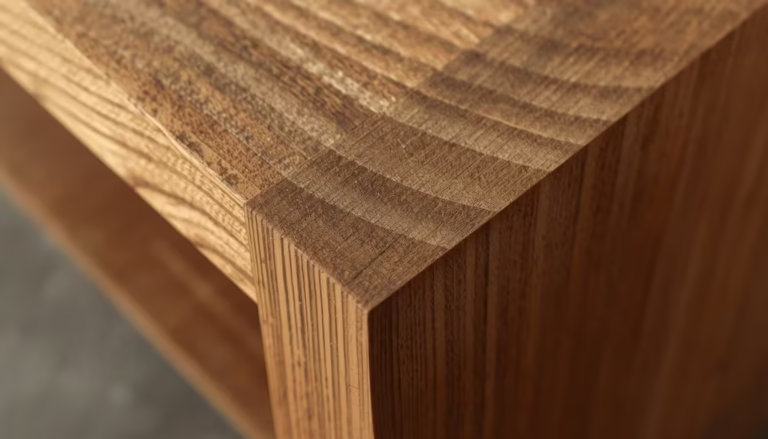
Indian homes vary widely in climate, from coastal humidity to dry inland heat. This makes wood selection more important than visual appeal alone. Dense hardwoods with stable grain structures tend to perform better across regions.
For everyday furniture like beds and dining tables, woods that resist bending and surface cracking are preferable. These pieces face constant weight and movement, and softer woods may show fatigue over time. For storage furniture, stability and joinery matter more than thickness alone.
Urban apartments also demand wood that handles air conditioning and seasonal shifts without frequent expansion or contraction. Properly seasoned solid wood performs better in such conditions and maintains alignment over years of use.
Choosing solid wood furniture that matches both climate and usage ensures longevity and reduces the need for repairs or replacements later.
Solid wood vs Engineered wood
Many homeowners struggle to decide between solid wood furniture and engineered alternatives. Both have their place, but understanding the difference helps avoid costly mistakes.
Upholstery choices are just as important. Fabrics like linen, cotton and textured weaves are becoming popular because they feel comfortable, breathe well and look timeless. Mixed materials are also on the rise. You will see combinations of wood with metal, stone or glass, creating a layered look that works in both modern and rustic settings. These combinations reflect growing interest in sustainable furniture materials that feel good and last long.
Solid wood furniture is made from single pieces of natural wood. It offers strength, repairability, and a natural aging process that enhances character over time.
Engineered wood products, such as MDF or particle board, are made by binding wood fibers with adhesives. They are lighter and often cheaper but less durable in Indian conditions. Moisture exposure, even briefly, can permanently damage them.
For temporary setups or low-use furniture, engineered wood may be sufficient. However, for core pieces like beds, dining tables, or storage units, solid wood furniture remains the more reliable choice for Indian homes.
Another key difference lies in how these materials age. Solid wood develops a natural patina over time, often enhancing its appearance rather than degrading it. Minor dents and scratches blend into the surface, giving the furniture character.
Engineered wood, on the other hand, does not age gracefully. Once the top layer is damaged, the underlying material is exposed, making repairs difficult or impossible. This often leads to full replacement rather than restoration.
From a health and sustainability perspective, solid wood furniture also has an advantage. It uses fewer chemical binders compared to engineered boards, which rely heavily on adhesives. For Indian homes with limited ventilation, this can be an important consideration.
Where solid wood works best inside the home
Solid wood furniture performs particularly well in spaces that experience daily use and physical stress.
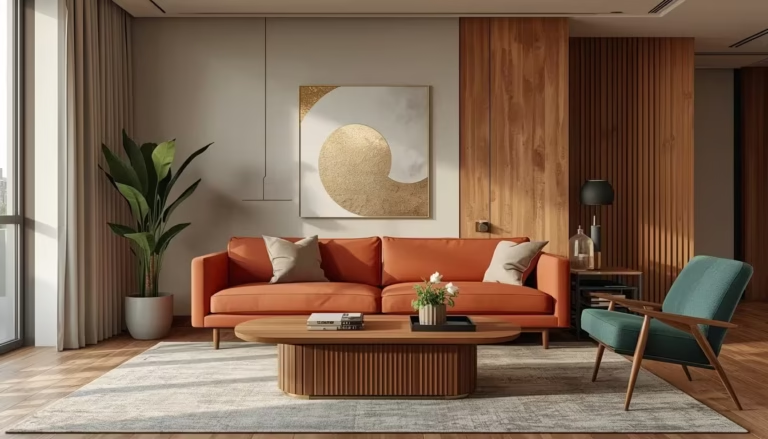
In living areas, solid wood seating, coffee tables, and storage units provide stability and visual warmth. Thoughtfully designed living room furniture made from solid wood anchors the space and handles frequent movement and use without loosening over time.
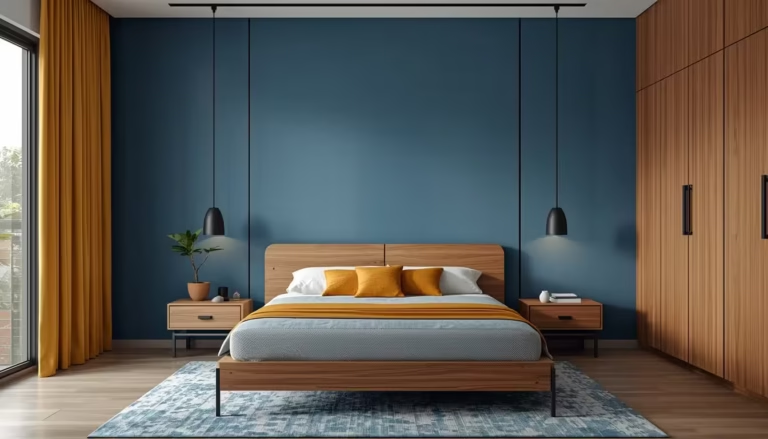
Bedrooms benefit greatly from solid wood beds and wardrobes. These pieces carry weight consistently and must remain structurally sound for years. Choosing solid wood bedroom furniture ensures better support, quieter joints, and longer life.
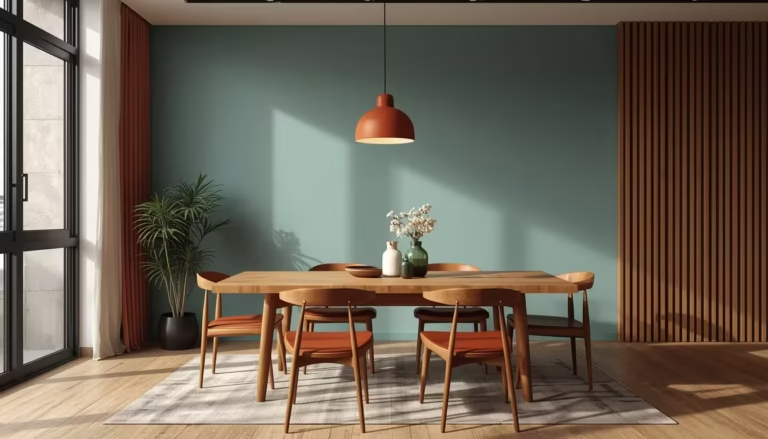
Dining spaces are another ideal area for solid wood. Tables and chairs face constant wear, spills, and movement. Well-crafted dining room furniture made from solid wood can be refinished multiple times, extending its lifespan far beyond surface-level materials.
How solid wood fits modern Indian apartments
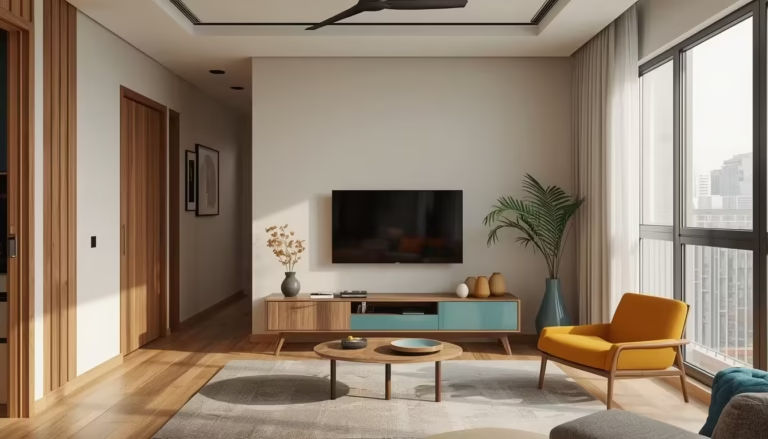
Modern Indian apartments often combine limited floor space with multifunctional living areas. Solid wood furniture works well here when proportions and design are carefully considered.
Slim profiles, raised legs, and modular forms allow solid wood pieces to feel visually light without compromising strength. This makes them suitable even for compact homes, where bulky furniture can overwhelm the space.
Solid wood also adapts well to evolving layouts. A study table may later become a console, or a bench may move between rooms as needs change. This flexibility supports long-term use, especially for urban families whose homes evolve over time.
Mistakes to avoid when buying solid wood furniture
One of the most common mistakes is confusing surface wood with solid wood. Many products use thin wooden veneers over engineered boards. Always check the construction details, not just the finish.
Over-polishing is another issue. Excessive chemical polish can clog wood pores and dull the natural grain. Simple cleaning and occasional conditioning are usually enough.
Ignoring joinery quality is also risky. Strong joints matter more than decorative elements. Traditional joinery methods often outperform modern shortcuts, especially in Indian climate conditions.
Finally, buying furniture without considering space and movement leads to regret. Solid wood furniture should feel balanced within a room, not oversized or cramped. Proportion matters as much as material.
Conclusion: choosing furniture that ages well
Solid wood furniture remains a dependable choice for Indian homes because it balances strength, adaptability, and timeless design. In a housing landscape shaped by compact apartments, frequent relocation, and changing lifestyles, furniture that ages well becomes increasingly valuable.
Rather than focusing on short-term trends, investing in solid wood furniture supports long-term living. Pieces that can be repaired, refinished, and repurposed align better with sustainable and practical home choices.
For Indian homeowners looking to build spaces that feel grounded yet modern, solid wood furniture continues to offer reliability without sacrificing aesthetics. When chosen thoughtfully, it becomes part of the home’s everyday life, not just its decor.