
Sofa Buying Guide for Indian Homes (2026)
Sofa buying guide helps Indian homeowners choose the right size, material, and style for comfort, durability, and long-term value in 2026.
In most Indian apartments, the sofa is the most used piece of furniture, making it central to both daily living and social gatherings.
A sofa is not just a seating option. It defines the tone of the living room, influences movement, and affects how spacious or cramped the space feels. Choosing the best sofa for Indian homes requires understanding room dimensions, climate conditions, and lifestyle habits.
Table of Contents
ToggleWhy choosing the right sofa matters
In Indian households, the living room often functions as a family lounge and connects visually with dining room furniture in open-plan layouts. The sofa becomes the anchor of this multi-use environment.
A poorly chosen sofa can block circulation, dominate a compact space, or wear out quickly in humid or dusty conditions. On the other hand, a well-selected sofa improves comfort, enhances layout efficiency, and supports long-term usability.
Understanding furniture proportions and layout fundamentals is essential before making a purchase decision. Architectural Digest India frequently highlights how seating placement shapes both aesthetics and functionality in residential interiors
Sofa size guide for Indian living rooms
The first step in any sofa buying guide is determining the correct size. Oversized sofas are a common mistake in Indian apartments.
Start by measuring wall length, walking paths, and door clearances. Leave enough room for comfortable circulation around the seating area. A good sofa size guide suggests maintaining at least 30 to 36 inches of movement space in front of primary seating.
For compact apartments, two-seater or compact L-shaped sofas often work better than full three-piece sets. In larger spaces, sectional sofas can help define seating zones without additional chairs.
Layout planning is equally important, especially when following structured living room layout ideas. Pairing the right sofa with a thoughtful layout enhances comfort and flow. For detailed layout strategies, explore our guide on Living Room Layout Ideas.
Reviewing practical living room sofa ideas can help homeowners visualise how different sizes work in compact spaces.
Sofa fabric options for Indian climate
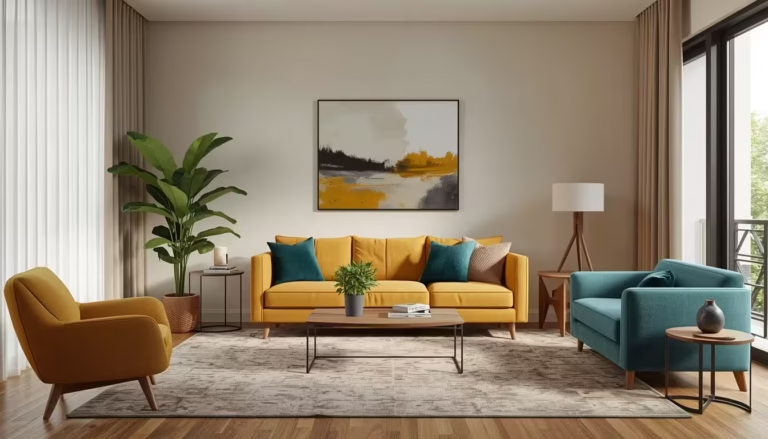
Climate plays a major role in sofa durability. Heat, humidity, and dust levels vary widely across Indian cities.
Breathable fabrics are generally more comfortable in warmer regions. Tightly woven materials tend to resist dust accumulation better. When evaluating sofa fabric options, consider maintenance effort along with appearance.
Leather offers durability and easy cleaning but may feel warm in peak summer unless the room is air-conditioned. Fabric upholstery provides variety and softness but requires regular cleaning.
According to Wikipedia’s overview of upholstery materials, different fabrics respond differently to moisture and wear, making material selection crucial in humid climates
Choosing the right fabric ensures the sofa maintains both comfort and structure over time.
Frame and cushioning quality explained
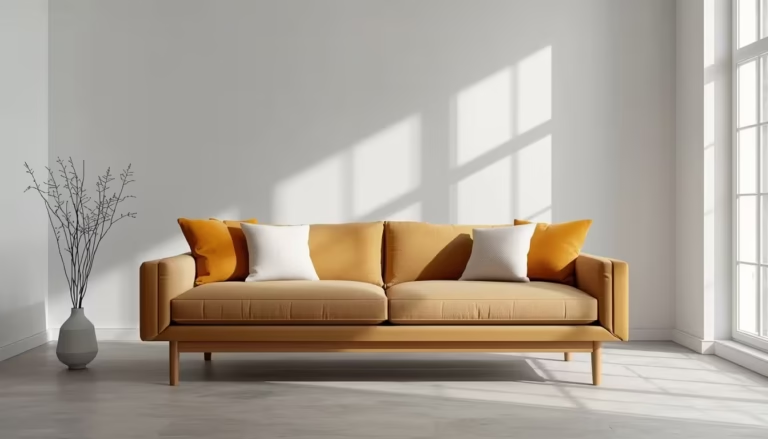
A sofa’s durability depends heavily on its internal structure. While upholstery is visible, the frame determines long-term performance.
Solid wood frames typically provide better strength and longevity than engineered alternatives. Reinforced joints and proper seasoning reduce the risk of loosening over time. If you are evaluating wooden construction, our guide on Solid Wood Furniture for Indian Homes explains how material quality impacts lifespan.
Cushioning also affects comfort and maintenance. High-density foam retains shape longer and prevents sagging. Softer fillings may feel plush initially but lose structure with regular use.
Understanding these structural elements helps buyers invest in sofas that remain comfortable for years.

Budget planning for sofa investments
Budget is often the deciding factor when purchasing a sofa, but it should not be the only one. Instead of focusing only on the upfront cost, buyers should consider durability, daily usage, and long-term value.
A lower-priced sofa may seem attractive initially, but weaker frames, low-density foam, or poor stitching can lead to sagging and repairs within a few years. When calculated over time, replacing furniture frequently can cost more than investing in a stronger build from the beginning.
For Indian households where sofas are used daily by family members and guests alike, durability becomes essential. Spending slightly more on a solid frame and high-quality cushioning often results in better comfort and lower maintenance over time.
Budget planning should also factor in layout needs across the home, including bedroom furniture. Compact apartments may benefit from modular or adaptable designs that can move easily during relocation. Evaluating cost per year of use rather than total purchase price helps buyers make practical, long-term decisions.
Matching sofa style with your living room layout
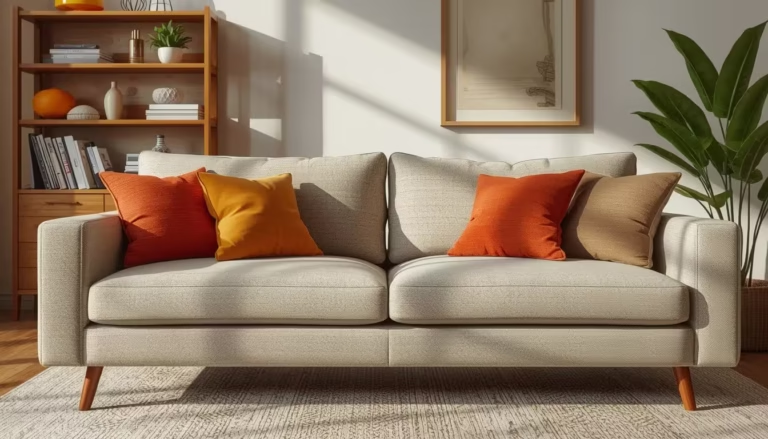
Sofa selection should complement the overall living room furniture arrangement
In compact homes, streamlined silhouettes with visible legs help maintain openness. Bulky designs with heavy armrests can overwhelm small spaces.
For apartments with combined living and dining areas, sofa placement should clearly define seating zones without blocking movement. Coordinating sofa height and proportions with other living room furniture creates visual balance.
If you are planning your seating alongside layout adjustments, our Living Room Layout Ideas guide provides practical planning insights.
Aligning sofa style with layout ensures the room feels cohesive rather than crowded. Exploring different living room sofa ideas before finalising a purchase helps ensure better proportion and layout balance.
Common mistakes when buying a sofa
One of the most common mistakes is prioritising appearance over function. A sofa that looks impressive in a showroom may feel oversized in a compact apartment.
Ignoring seat depth is another issue. Deep sofas may look luxurious but can feel uncomfortable for everyday sitting if proportions do not match user height.
Overlooking maintenance requirements also leads to regret. Light-colored fabrics require more frequent cleaning, especially in households with children or pets.
Finally, failing to test structural stability before purchase can shorten a sofa’s lifespan. Checking frame strength and cushion density prevents premature wear.
Maintenance and care tips for longer sofa life
Even the best sofa for Indian homes requires regular care to maintain its structure and appearance. Simple maintenance habits can significantly extend the life of your seating investment.
Rotating and fluffing cushions regularly prevents uneven wear. In households where one seat is used more frequently, this small practice helps maintain shape and support.
Vacuuming upholstery weekly reduces dust buildup, which is particularly important in Indian cities where air quality may affect fabric longevity. For fabric upholstery, immediate cleaning of spills prevents permanent staining. For leather, occasional conditioning helps maintain flexibility and prevents surface cracking.
Protecting the frame is equally important. Avoid dragging the sofa across floors, as this can weaken joints over time. Placing furniture away from direct sunlight also prevents fading and material stress.
Consistent care ensures that comfort and structure remain intact for years, supporting the idea that a sofa should be a long-term investment rather than a short-term purchase.
Conclusion: investing in comfort that lasts
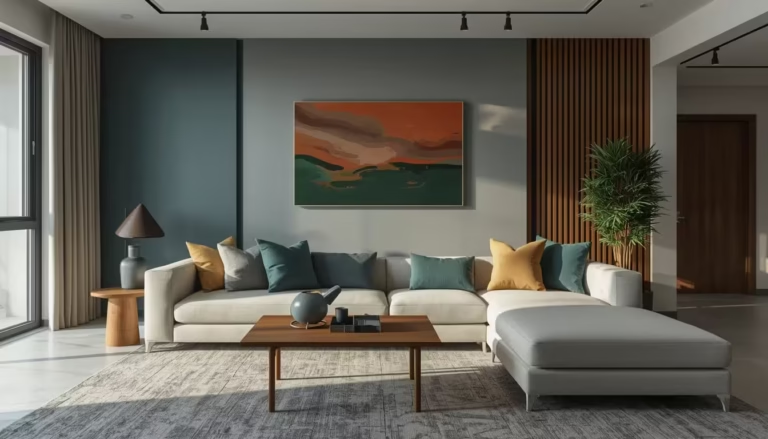
Sofa buying guide decisions should balance size, structure, material, and layout compatibility. A well-chosen sofa supports daily comfort while maintaining visual harmony within the living space.
Instead of focusing solely on short-term furniture trends, Indian homeowners benefit from prioritising durability and proportion. The right sofa becomes a long-term investment rather than a short-term decor update.
By considering climate, room dimensions, and usage patterns, homeowners can select seating that enhances both comfort and functionality for years to come.