
Best Furniture Materials for Indian Homes in 2026
Furniture Materials in 2026: What Indian Homeowners Should Know
Choosing the right furniture material has a direct impact on comfort, durability, and long-term value. In India, homes experience heat, humidity, dust, and seasonal changes, which makes material selection more important than just visual appeal. In 2026, homeowners are paying closer attention to how furniture materials perform over time, not just how they look on day one.
Material choices are also influenced by evolving design preferences, which are shaping today’s homes, as seen in current furniture trends in 2026. Global interior design publications such as Architectural Digest highlight how material choices are increasingly driven by durability, comfort, and long-term use rather than short-term trends.
This guide focuses on helping you understand the best furniture materials for Indian homes, how they respond to local climate conditions, and where each material works best inside the home. By the end, you will be able to make informed decisions that balance aesthetics, performance, and longevity.
The best furniture materials for Indian homes are those that can handle climate conditions, daily use, and long-term wear without losing their strength or appearance. Indian homes experience a mix of humidity, heat, and dust throughout the year, which means furniture materials must be chosen with care. What works well in one climate may not perform the same way here.
In 2026, homeowners are becoming more aware of how furniture materials for Indian climate conditions affect durability and maintenance. Instead of focusing only on design trends, many are now prioritising materials that last longer and age gracefully. This shift is also influenced by sustainability and the desire to invest in furniture that does not need frequent replacement.
This blog explains the most reliable furniture materials used in Indian homes, compares solid wood with engineered alternatives, and highlights sustainable options that suit modern lifestyles.
Table of Contents
ToggleWhy Material Choice Matters in Indian Homes
Material choice plays a critical role in how furniture performs over time. Indian weather conditions vary widely, from dry heat to heavy monsoons, and furniture must be able to adapt to these changes. Poor material choices often lead to issues such as warping, swelling, cracking, or surface damage.
Understanding furniture materials for Indian climate conditions helps homeowners avoid frequent repairs and replacements. Materials that resist moisture and temperature changes tend to last longer and require less maintenance. This is especially important for furniture pieces that are used daily, such as beds, sofas, dining tables, and storage units.
Beyond durability, material choice also affects comfort and indoor air quality. Natural materials tend to breathe better and feel more comfortable in warm climates, making them more suitable for Indian homes.
Solid Wood: The Most Reliable Choice
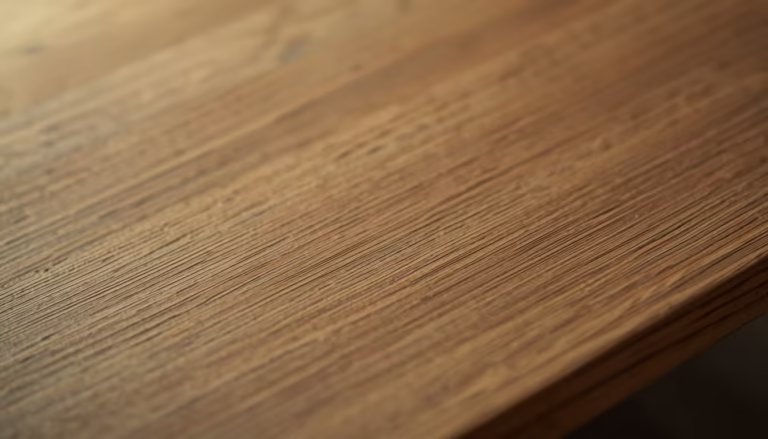
Solid wood continues to be one of the most trusted furniture materials in India. Solid wood furniture India is valued for its strength, longevity, and timeless appeal. Unlike composite materials, solid wood retains its structure over decades when properly maintained.
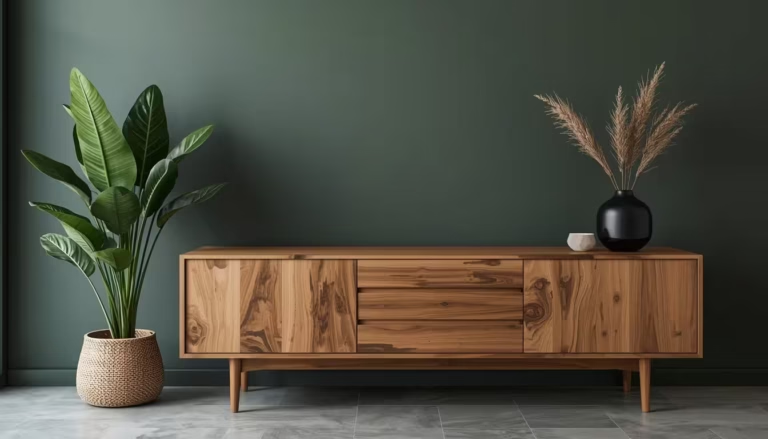
One of the main advantages of solid wood is its ability to withstand Indian climate conditions. High-quality hardwoods resist moisture better and are less likely to deform under temperature changes. Solid wood is especially preferred for seating furniture where strength and comfort are equally important, such as modern lounge chairs designed for everyday use. This makes solid wood furniture India a practical choice for long-term use, especially for structural furniture pieces.
Another benefit is repairability. Solid wood can be polished, refinished, or repaired multiple times, extending the life of the furniture. A well-crafted example of this approach can be seen in the Cirqua lounge chair, which combines solid wood construction with long-term comfort. For homeowners who prefer durable and long-lasting pieces, solid wood remains a reliable investment.
Popular Wood Types Used in Indian Furniture
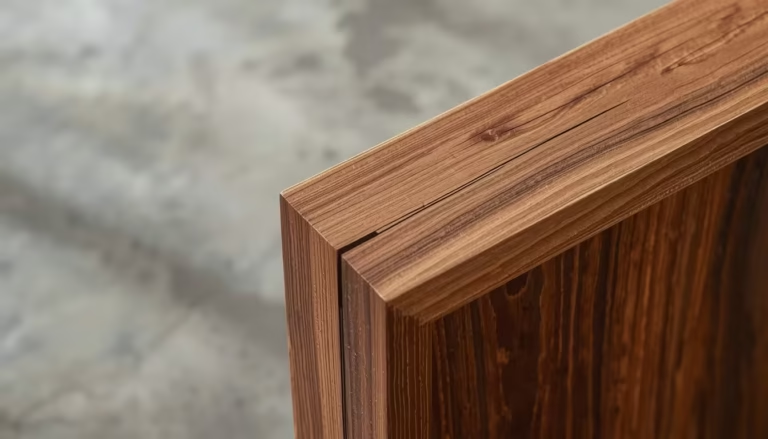
India uses several hardwood varieties that are well suited for furniture making. Understanding the common wood types for furniture India helps you choose the right material based on function and budget.
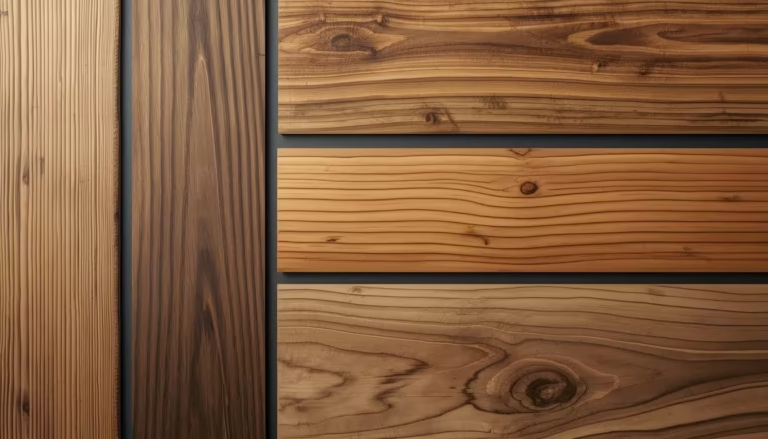
Sheesham wood is widely used because of its strength and attractive grain. It works well for beds, dining tables, and storage furniture. Teak wood is known for its resistance to moisture and pests, making it ideal for high-use areas. Mango wood is a more affordable hardwood option and is often used for side tables, cabinets, and accent furniture.
These wood types for furniture India vary in appearance, durability, and cost, but all offer better longevity than low-grade engineered materials. Choosing the right wood depends on where the furniture will be placed and how frequently it will be used.
Engineered Wood and Alternative Materials
Engineered wood materials such as plywood, MDF, and particle board are commonly used in modern furniture. These materials are often chosen for their smooth finish and lower cost. However, they do not always perform well under Indian conditions.
In areas with high humidity, engineered materials may absorb moisture, leading to swelling or surface damage. When considering furniture materials for Indian climate, it is important to understand where these materials work best. Engineered wood is suitable for low-load furniture or temporary setups but may not be ideal for long-term structural use.
That said, high-quality plywood with proper sealing can be a reasonable option for certain applications. Knowing the limitations of these materials helps you make better choices and avoid disappointment later.
Sustainable and Eco-Friendly Furniture Materials
Sustainability is becoming a key consideration in 2026. Many homeowners are now looking for sustainable furniture materials that minimise environmental impact while still offering durability. This includes responsibly sourced wood, low-VOC finishes, and natural oils instead of chemical coatings.
Choosing sustainable furniture materials does not mean compromising on quality. Organisations such as the Forest Stewardship Council emphasise responsible wood sourcing as a key factor in creating long-lasting and environmentally conscious furniture. In fact, furniture made with care and longevity in mind often lasts longer, reducing waste. Solid wood sourced responsibly and finished with natural treatments aligns well with this approach.
Sustainability also includes buying fewer but better pieces. Investing in furniture that lasts longer is one of the most effective ways to reduce environmental impact while maintaining a high standard of living.
Upholstery and Surface Finishes
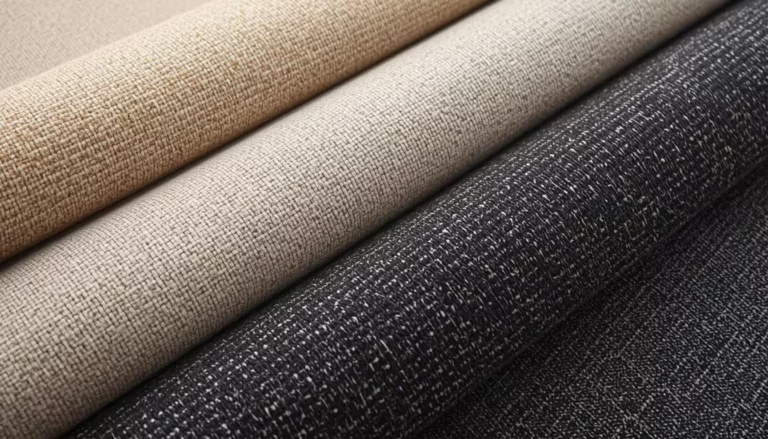
While structure matters, surface materials also play a major role in comfort and maintenance. Upholstery fabrics such as cotton, linen blends, and textured weaves are well suited for Indian homes because they are breathable and comfortable.
When considering the best furniture materials for Indian homes, surface finishes should be easy to clean and resistant to daily wear. Natural finishes tend to age better and can be refreshed over time. High-gloss synthetic finishes may look appealing initially but often show scratches and wear more quickly.
Choosing the right combination of core material and surface finish ensures both comfort and longevity.
Matching Materials to Different Rooms
Different rooms in the home have different material requirements. Living rooms benefit from strong structural materials that can handle frequent use. Bedrooms often prioritise comfort and warmth, while dining areas require surfaces that are easy to maintain.
Understanding how furniture materials for Indian climate conditions affect each room helps you choose wisely. For example, solid wood works well in living and dining spaces, while lighter materials may suit bedrooms or study areas.
Matching materials to room function improves both usability and lifespan, ensuring your furniture performs well across the home.
Common Mistakes When Choosing Furniture Materials
One common mistake is choosing materials based only on appearance. While design matters, ignoring durability can lead to frequent repairs or replacements. Another mistake is not considering climate impact, which is critical when selecting the best furniture materials for Indian homes.
Some homeowners also overlook maintenance requirements. Every material needs care, but some require more attention than others. Understanding maintenance needs before buying helps avoid future frustration.
Being informed about material performance allows you to make smarter decisions that balance style, comfort, and practicality.
Conclusion
Choosing the right furniture material is one of the most important decisions for creating a comfortable and long-lasting home. The best furniture materials for Indian homes are those that handle climate conditions, daily use, and long-term wear with ease. Solid wood continues to stand out as a dependable option, especially when sourced and finished responsibly.
As awareness grows in 2026, more homeowners are prioritising solid wood furniture India for its durability and timeless appeal. By understanding different materials, their strengths, and their limitations, you can invest in furniture that truly supports your lifestyle and enhances your home for years to come.
Choosing the right materials becomes easier when you explore handcrafted furniture by Magnora, created to suit Indian homes and climate conditions.