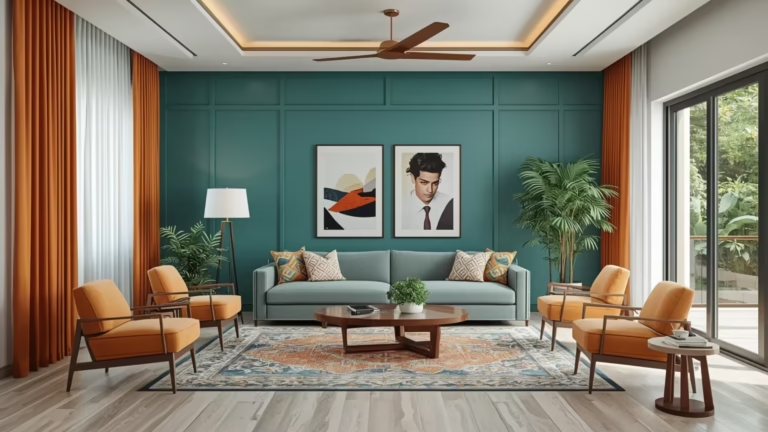
Best Colour Combinations for Living Rooms (2026)
The best colour combinations for living rooms help create balanced and inviting spaces in modern homes.
In modern interiors, colour is not just a decorative choice but a foundational element that influences mood, perception of space, and overall design harmony.
In Indian homes, where living rooms often serve multiple purposes such as entertaining guests, relaxing, and spending family time, choosing the right palette becomes even more important. The right colours can make a room feel larger, brighter, and more inviting, while poor combinations can make even well-designed spaces feel disconnected.
Interior platforms like Houzz frequently showcase how thoughtful colour planning transforms everyday living spaces into cohesive interiors.
Table of Contents
ToggleHow to choose the right colour palette for your space
Selecting the right palette begins with understanding your space, lighting, and furniture. Natural light plays a significant role in how colours appear throughout the day. Rooms with ample sunlight can handle deeper shades, while darker rooms benefit from lighter tones.
When exploring living room colour ideas india, it is important to consider how colours interact with furniture materials, flooring, and décor elements. A cohesive palette ensures that all elements of the room work together rather than competing for attention. Maintaining consistency with other spaces like bedroom furniture helps create a cohesive home design.
Start with a base colour and build around it using complementary tones. Many modern living room colour combinations follow a 60-30-10 rule:
- 60% dominant colour (walls)
- 30% secondary colour (furniture)
- 10% accent colour (decor)
This approach creates balance while allowing flexibility in styling. These fundamentals are essential when selecting the best colour combinations for living rooms that feel both functional and visually cohesive.
Colour selection should also complement seating choices, which is why understanding how to choose the right sofa is important for a balanced living room.
Neutral and warm colour combinations for timeless interiors
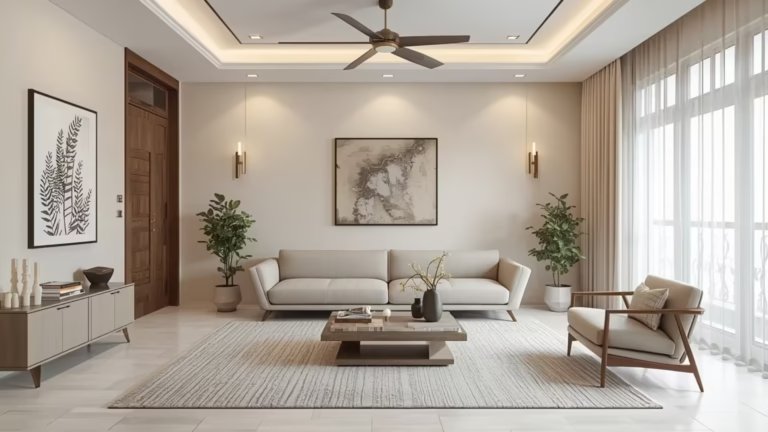
Neutral palettes remain one of the most popular best colour combinations for living rooms because of their versatility and timeless appeal. Shades such as beige, cream, soft grey, and warm white create a calm foundation that works well with a variety of furniture styles.
These tones are especially relevant when exploring colour combinations for living room walls, as they provide flexibility to experiment with textures and materials. Wooden furniture, metal accents, and soft fabrics blend effortlessly within neutral environments.
Popular neutral combinations include:
- Warm beige with ivory and soft brown
- Light grey with white and muted gold
- Cream with wood tones and subtle black accents
These palettes also align with current living room colour trends 2026, which emphasize warmth and understated elegance.
Bold and modern colour combinations for statement living rooms
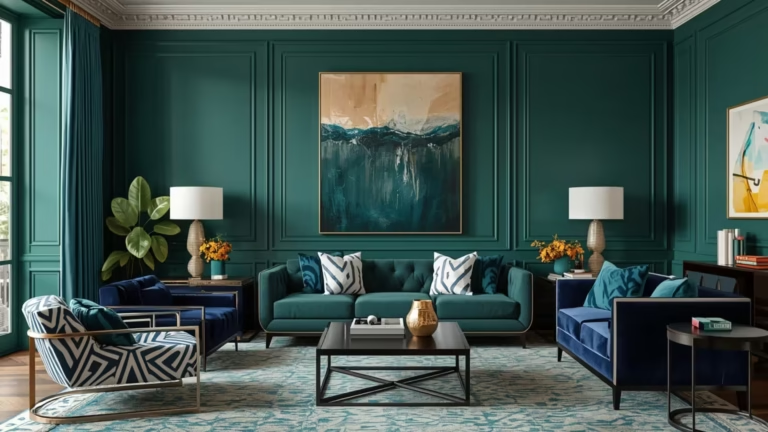
For homeowners looking to create a striking visual impact, bold palettes offer exciting possibilities. Deep colours such as emerald green, navy blue, and charcoal can transform a living room into a sophisticated and modern space.
These modern living room colour combinations work best when balanced with lighter elements. For example:
- Emerald green walls with neutral sofas and gold accents
- Navy blue paired with warm wood tones and soft lighting
- Charcoal grey combined with white and metallic finishes
When using bold colours, it is important not to overwhelm the space. Many living room colour ideas india incorporate bold shades through accent walls rather than covering the entire room.
Earthy and natural tones for calm living spaces
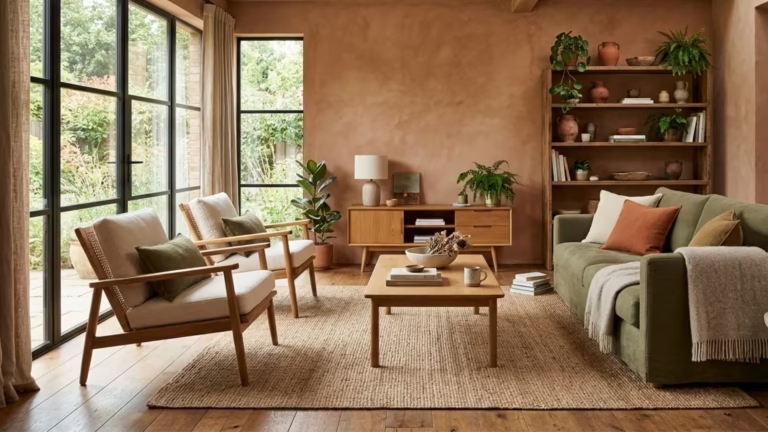
Earthy tones have gained popularity in recent years due to their connection with nature and ability to create calming interiors. These palettes are strongly aligned with living room colour trends 2026, which focus on comfort and sustainability.
Common earthy combinations include:
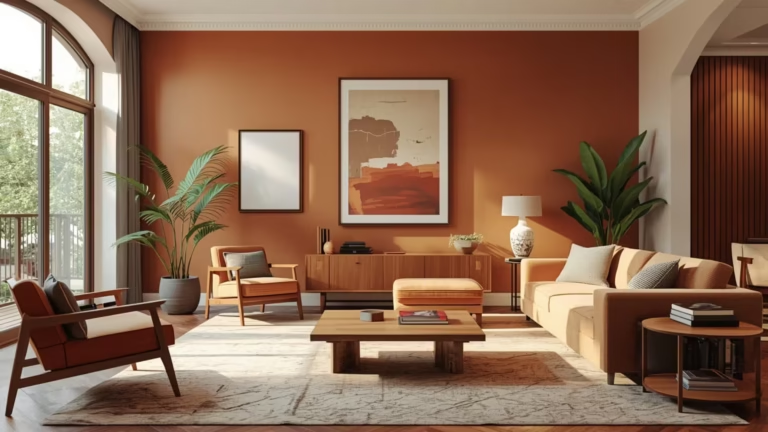
- Terracotta with beige and olive green
- Sand tones with warm wood and muted grey
- Olive green with cream and natural textures
These colour combinations for living room walls work particularly well in Indian homes where natural materials such as wood and stone are commonly used.
Earthy palettes also pair beautifully with curated living room furniture selections, creating a cohesive and grounded aesthetic.
Colour combinations for small living rooms
Choosing the right palette becomes even more important in compact spaces. Many small living room layout mistakes can be corrected simply by using the right colours. These layouts are often explored in guides on living room layout ideas for better space planning.
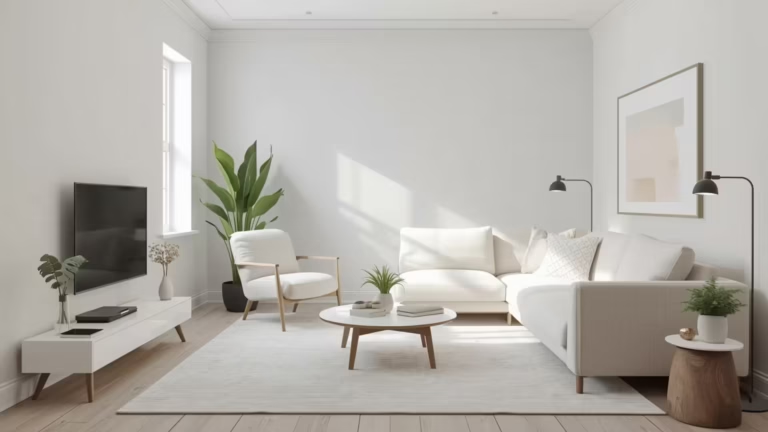
Light colours reflect more light, making the room feel open and spacious. Popular options include:
- White with soft pastels
- Light grey with warm beige
- Cream with subtle blue accents
When exploring living room colour ideas india for smaller spaces, it is best to avoid heavy contrasts that visually break the room into smaller sections.
Instead, use a consistent palette across walls and furniture to create a seamless look. This approach aligns with many modern living room colour combinations designed for compact homes. Using the best colour combinations for living rooms can significantly improve how spacious and comfortable smaller interiors feel.
Colour combinations based on furniture and materials
Another important factor when choosing colours is the type of furniture used in the space. The palette should complement materials such as wood, metal, and fabric.
For example:
- Wooden furniture pairs well with warm neutrals and earthy tones
- Metal accents work best with bold or monochrome palettes
- Upholstered furniture allows flexibility in introducing accent colours
Understanding this relationship helps avoid common colour combinations for living room walls mistakes where colours clash with furniture finishes. This becomes especially important when working with natural materials, which is why solid wood furniture for indian homes continues to be a preferred choice in modern interiors.
For better results, homeowners can explore guides like best furniture for modern living rooms to understand how colour and furniture work together.
Common colour mistakes to avoid
Even well-intentioned designs can go wrong due to simple mistakes. Avoiding these can significantly improve the final outcome:
- Using too many colours
Too many contrasting colours can make the room feel chaotic rather than cohesive.
- Ignoring lighting
Colours can appear different depending on natural and artificial lighting conditions.
- Following trends blindly
While living room colour trends 2026 offer inspiration, not all trends suit every home.
- Mismatch with furniture
Choosing colours without considering furniture often leads to imbalance.
Design resources like House Beautiful, often highlight how these mistakes affect overall interior harmony.
Conclusion: Choosing colours that last
Selecting the best colour combinations for living rooms is about balancing style, comfort, and practicality. The right palette enhances the space, complements furniture, and creates a welcoming environment for everyday living.
Whether you prefer neutral tones, bold statements, or earthy palettes, the key is to maintain consistency and balance throughout the room. By understanding how colours interact with light, space, and materials, homeowners can create living rooms that feel both modern and timeless.
For a complete setup, exploring curated collections of living room furniture, along with coordinated elements from bedroom furniture and dining room furniture, can help maintain a cohesive design across the home.