
How to Choose the Right Dining Table Size
Dining table size affects comfort, movement, and seating capacity. Use this dining table size guide to choose the right fit for your space.
Choosing a dining table is about more than style. The right dining table size affects how comfortably people can sit, move around the room, and use the space every day. A table that is too large can make a dining area feel cramped, while one that is too small may not meet your household’s needs.
Many homeowners focus on appearance first and dimensions later. However, understanding the relationship between room size, seating requirements, and table proportions helps avoid expensive mistakes. Whether you are furnishing a compact apartment or a larger home, a practical dining table size guide can help you make a better decision.
For inspiration on modern dining spaces, platforms like Houzz showcase a wide range of layouts that balance functionality with design.
Table of Contents
ToggleWhy Dining Table Size Matters
The dining table is often one of the most frequently used pieces of furniture in a home. Beyond meals, it may also be used for work, studying, social gatherings, and everyday activities.
Choosing the correct dining table size improves:
- Seating comfort
- Room circulation
- Visual balance
- Daily functionality
One of the most common questions homeowners ask is, what size dining table do I need for my room? The answer depends on both the available space and the number of people who will use the table regularly.
A good dining table size guide starts by considering how much clearance is needed around the table. Most interior designers recommend leaving enough space for chairs to be pulled out comfortably while maintaining clear walkways.
Ignoring these factors can lead to common problems such as restricted movement, overcrowded layouts, and poor room flow. A well-planned dining room furniture collection helps create a comfortable dining experience while maintaining good room flow.
Understanding basic dining table dimensions before purchasing helps ensure the table works well within the room rather than simply fitting inside it.
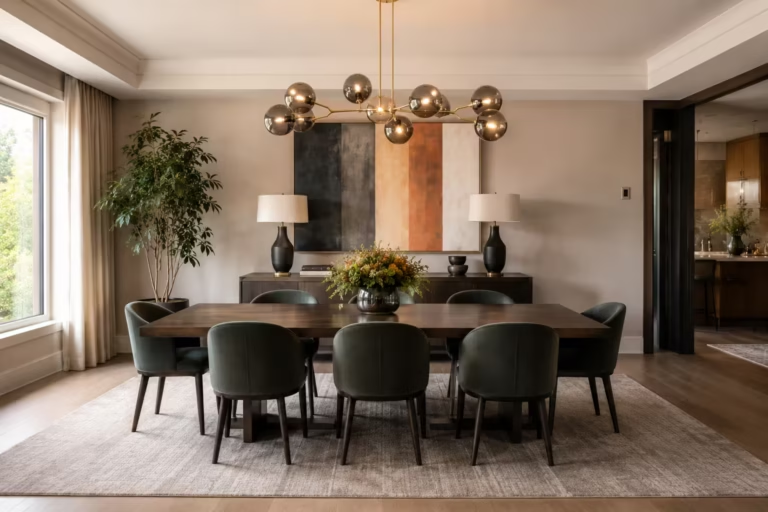
Measure Your Room First
Before looking at table designs or seating capacity, measure your dining area carefully.
This step is often overlooked, yet it is one of the most important parts of choosing the right dining table size.
Start by measuring:
- Room length
- Room width
- Door clearances
- Walkways around the dining area
Many homeowners focus only on whether the table physically fits in the room. The better question is: what size dining table do I need while still allowing comfortable movement?
A useful rule is to leave sufficient clearance around all sides of the table. This allows chairs to move freely and prevents the room from feeling crowded.
This is particularly important when choosing a dining table for small spaces, where every inch matters. In compact homes, proper measurements can make the difference between a comfortable dining area and one that feels restrictive.
It also allows homeowners to compare different dining table dimensions before making a final decision.
The same planning principles apply when selecting a living room furniture collection, where spacing and movement are equally important.
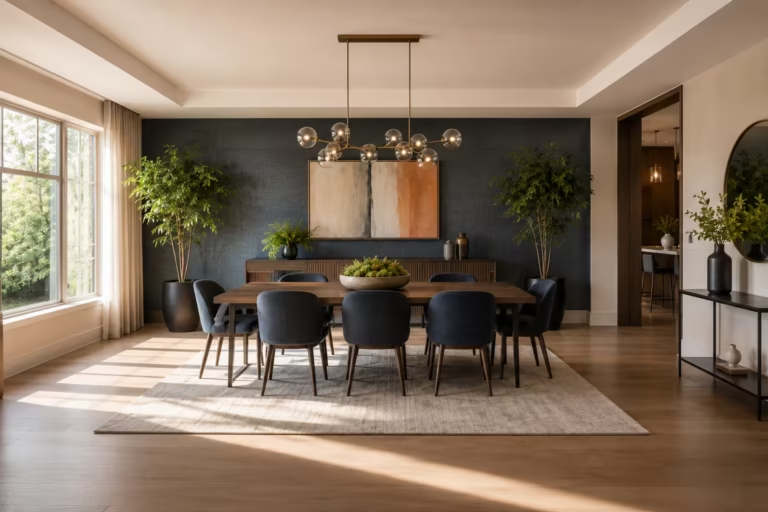
Understand Standard Dining Table Dimensions
While custom furniture offers flexibility, most dining tables follow standard measurements designed for comfort and usability.
Understanding typical dining table dimensions makes it easier to evaluate whether a table is suitable for your space. Standard dining table heights generally remain consistent, while width and length vary depending on seating capacity.
Resources from The Spruce provide helpful guidance on dining table measurements and seating requirements for different room sizes.
Common table sizes include:
2-Seater Dining Table
Ideal for:
- Small apartments
- Studio homes
- Compact dining areas
A 2-seater is often the most practical dining table for small spaces where maximizing floor area is important.
4-Seater Dining Table
Suitable for:
- Small families
- Apartments
- Everyday dining
For many households, a 4-seater provides the ideal balance between functionality and efficient use of space.
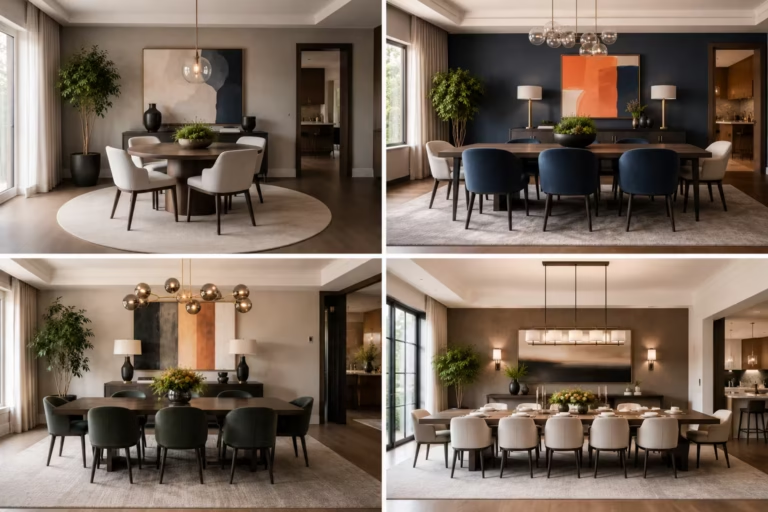
6-Seater Dining Table
Best for:
- Medium-sized families
- Frequent entertaining
- Dedicated dining rooms
Many homeowners asking what size dining table do I need ultimately find that a 6-seater works well when the room allows sufficient clearance.
8-Seater and Larger
Suitable for:
- Large homes
- Extended families
- Frequent gatherings
While larger tables provide more seating, they require careful planning. Understanding both room dimensions and standard dining table dimensions becomes even more important at this size.
Selecting the right dining table size is ultimately about balance. The goal is to choose a table that accommodates your needs without compromising comfort or movement throughout the room.
What Size Dining Table Do I Need Based on Seating?
One of the most common questions homeowners ask is: what size dining table do I need for my family and lifestyle?
The answer depends on both daily use and future needs. While a table may comfortably seat four people today, it should also accommodate occasional guests if entertaining is important to your household.
Understanding the differences between custom furniture vs ready made can help homeowners find a dining table that fits their space more precisely.
As a general guideline:
2–4 People
A compact table works well for:
- Apartments
- Small dining areas
- Couples and small families
Many homeowners looking for a dining table for small spaces find that a 2-seater or compact 4-seater offers the best balance between comfort and functionality.
4–6 People
This is the most popular category for modern homes. It provides enough seating for everyday use while remaining practical for occasional gatherings
A medium-sized table often represents the ideal dining table size for growing families.
6–8 People
Larger dining areas can comfortably accommodate bigger tables. However, homeowners should carefully evaluate room dimensions before increasing seating capacity.
Using a proper dining table size guide helps ensure that additional seating does not compromise movement around the room.
When deciding what size dining table do I need, think beyond seating numbers and consider how the table will function within the overall layout.
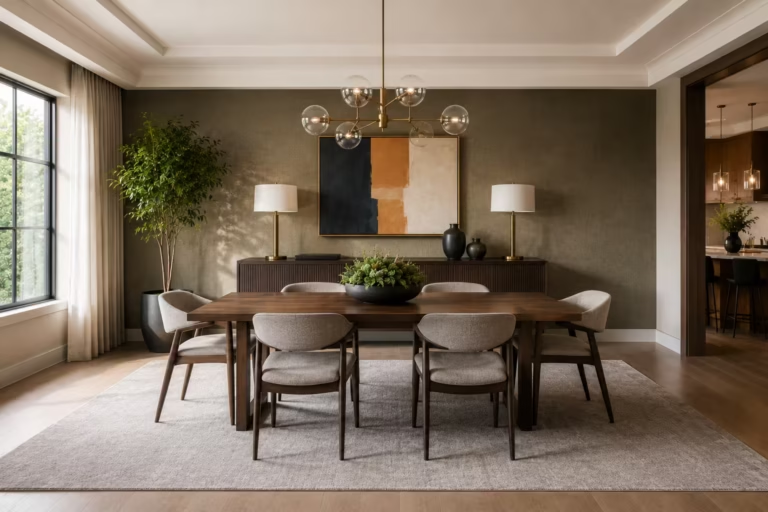
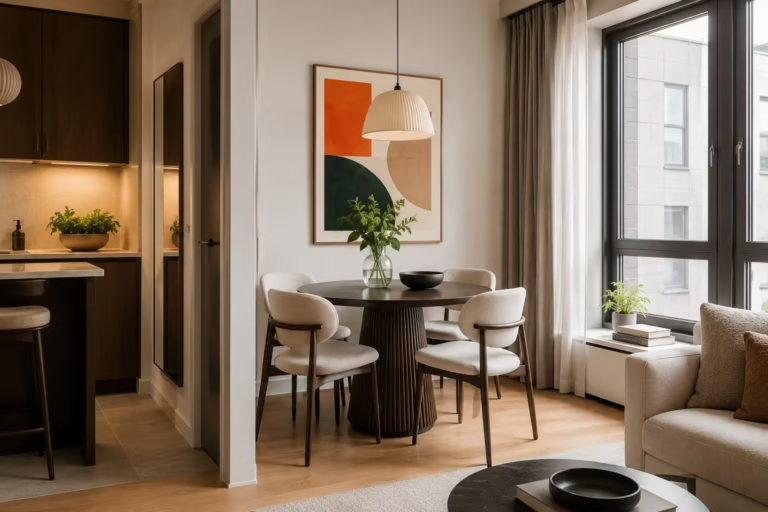
Choosing a Dining Table for Small Spaces
Compact homes require a different approach to furniture selection. The goal is not simply fitting a table into the room but maintaining comfort and usability.
Choosing the right dining table for small spaces starts with understanding how much room is available for both seating and movement.
Effective solutions include:
- Round dining tables
- Extendable dining tables
- Compact rectangular tables
- Bench seating arrangements
These options maximize functionality while minimizing visual bulk.
For additional inspiration, Architectural Digest features modern dining room layouts that balance seating capacity with efficient use of space.
Many homeowners assume that a larger table automatically offers more value. In reality, a smaller table with better proportions often performs better in compact homes.
This is where understanding dining table dimensions becomes especially useful. The right proportions allow a room to feel open rather than crowded.
A practical dining table size guide focuses on balance. The table should support daily use without dominating the room. Many of the same principles discussed in this guide on furniture for small homes in India can help maximize functionality in compact dining areas.
For homeowners working with limited square footage, selecting the right dining table for small spaces can significantly improve comfort and flexibility.
Combining a compact dining setup with smart storage solutions for small homes can significantly improve space efficiency.
Common Dining Table Size Mistakes
Even well-designed homes can suffer from poor furniture decisions. Several common mistakes can affect comfort and usability.
Just like bedroom furniture solutions, dining furniture should be selected based on both room dimensions and daily functionality.
Choosing Based Only on Appearance
A table may look impressive in a showroom but feel oversized once installed at home.
Always evaluate dining table dimensions alongside aesthetics.
Ignoring Clearance Space
One of the most common reasons homeowners ask what size dining table do I need after purchasing is because they underestimated clearance requirements.
Adequate space around the table is essential for comfortable movement.
Prioritizing Maximum Seating
More seats are not always better.
An oversized table often reduces room functionality and creates a cramped layout.
Following a reliable dining table size guide helps balance seating needs with available space.
Not Considering Future Needs
Furniture is a long-term investment. Choosing the correct dining table size should account for lifestyle changes, family growth, and entertaining requirements.
Overlooking Small-Space Solutions
Many homeowners ignore practical options designed specifically as a dining table for small spaces. Features such as extensions, folding mechanisms, and compact footprints can dramatically improve usability.
Avoiding these mistakes helps ensure the table remains functional and comfortable for years.
Conclusion
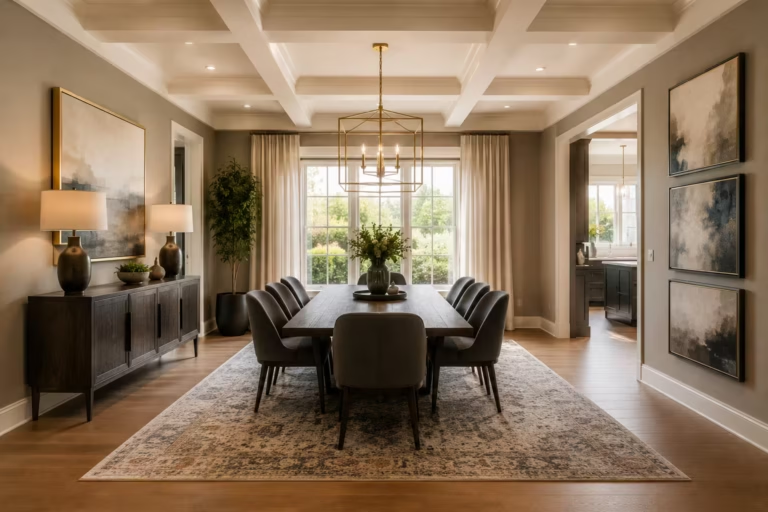
Selecting the right dining table size is one of the most important furniture decisions for any home. The ideal table should support everyday use, allow comfortable movement, and complement the room without overwhelming it.
By understanding standard dining table dimensions, following a practical dining table size guide, and asking the right question—what size dining table do I need—homeowners can make more confident decisions.
For compact homes, choosing the right dining table for small spaces can maximize functionality without sacrificing comfort. Ultimately, the best dining table is not the largest one available, but the one that fits your space, lifestyle, and long-term needs most effectively.