10 Living Room Layout Mistakes to Avoid (2026)
Living room layout mistakes can make homes feel cramped and unbalanced. Learn how to avoid common layout issues in Indian homes.
In modern Indian homes, where space is often limited and multifunctional, the way furniture is arranged directly impacts both usability and aesthetics.
Many homeowners focus on buying the right furniture but overlook how placement affects the overall experience. A well-planned layout improves movement, enhances comfort, and makes the room feel more open and inviting. On the other hand, poor arrangement can disrupt flow and reduce the effectiveness of even premium furniture pieces.
Interior platforms like Houzz frequently highlight how thoughtful layout planning transforms everyday living spaces.
Table of Contents
TogglePushing all furniture against the wall
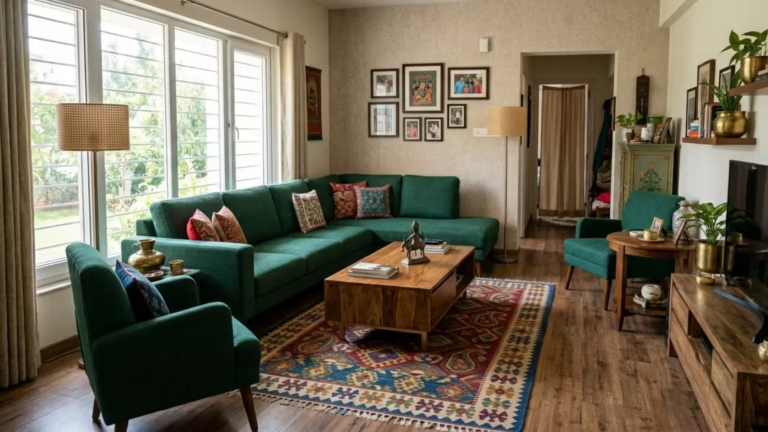
One of the most common living room layout mistakes is placing all furniture along the walls. While this may seem like a way to create more space, it often makes the room feel disconnected and less functional.
Instead, try creating a central seating arrangement. Pulling the sofa slightly inward and positioning chairs around a centre table helps create a cohesive layout. This approach works especially well when exploring living room layout ideas india, where compact layouts benefit from thoughtful zoning.
Choosing the wrong sofa size
The sofa is the anchor of any living room, and selecting the wrong size is a major contributor to living room layout mistakes.
A large sofa in a small room restricts movement, while a small sofa in a large room feels out of place. Measuring your space before choosing a sofa is essential. If you are unsure, refer to our guide on how to choose the right sofa for better clarity.
Many sofa placement mistakes happen when scale is ignored, leading to imbalance in the overall design. Maintaining consistency with other spaces like bedroom furniture can help create a cohesive home design.
Ignoring natural movement pathways
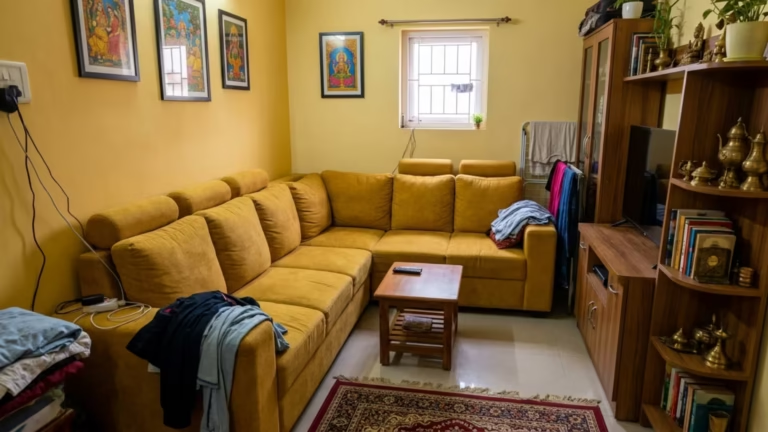
A well-designed living room allows easy movement between different areas. Blocking pathways with furniture is one of the most overlooked furniture arrangement mistakes.
Ensure there is enough walking space between the sofa, centre table, and chairs. Ideally, there should be clear pathways that allow people to move comfortably without navigating around obstacles.
This is especially important in small living room layout mistakes, where every inch of space matters. Layout issues like blocked pathways are commonly highlighted in expert guides on furniture flow and planning, such as those from The Spruce.
Poor coffee table placement
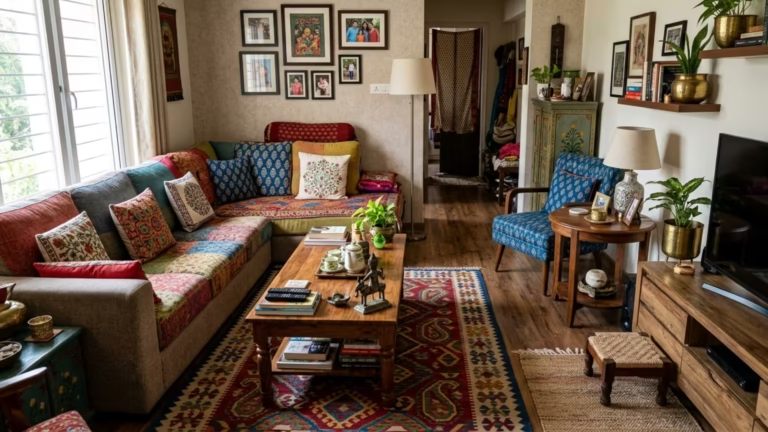
Coffee tables play a functional and visual role in the layout. Placing them too far or too close to the seating area disrupts usability.
The ideal distance is around 16 to 18 inches from the sofa. This allows easy access while maintaining comfort. Many furniture arrangement mistakes occur when coffee tables are treated as decorative pieces rather than functional elements.
Choosing the right tables from curated living room furniture collections can help maintain better balance.. Modern layouts seen in living room layout ideas india emphasize balanced spacing between seating and tables.
Not using accent chairs effectively
Accent chairs are often underutilized or incorrectly placed. Instead of being part of the seating arrangement, they are sometimes pushed into corners, making them feel disconnected.
Proper placement of accent chairs helps create a conversational layout. Position them facing the sofa or at an angle to encourage interaction.
When paired with the right layout, accent chairs can elevate the space and complement selections from living room furniture collections.
Incorrect rug size and placement
Rugs define the seating area and bring the layout together. Using a rug that is too small is one of the most common small living room layout mistakes.
Ideally, at least the front legs of the sofa and chairs should sit on the rug. This creates visual cohesion and prevents the furniture from feeling scattered.
Many living room layout ideas in india focus on using rugs strategically to define zones within compact spaces.
Overcrowding the living room
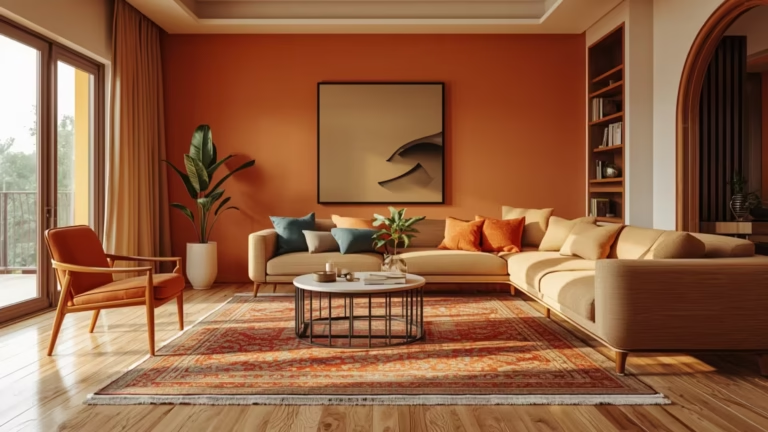
Adding too many furniture pieces is a major contributor to living room layout mistakes. While it may be tempting to include multiple chairs, tables, and décor elements, overcrowding reduces both functionality and visual appeal.
Instead, focus on essential pieces:
- sofa
- centre table
- one or two accent chairs
- side tables
A minimal approach creates breathing space and allows each element to stand out. In open-plan homes, layouts should also align with nearby spaces such as dining room furniture arrangements.
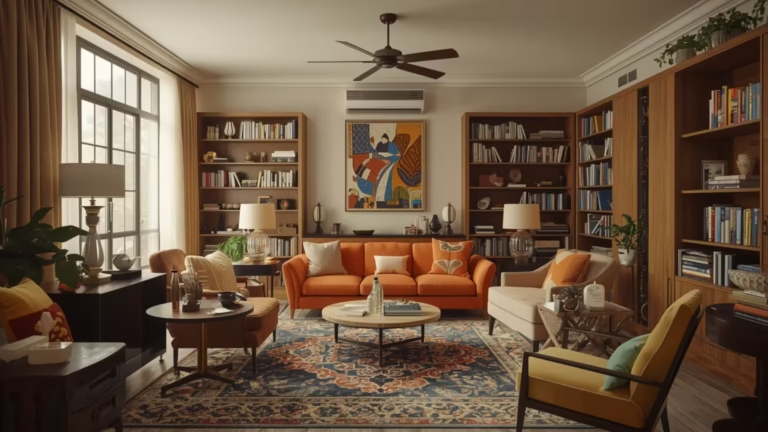
Ignoring lighting in the layout
Lighting is often treated as an afterthought, but it plays a crucial role in how the layout feels.
Poor lighting can make the room appear smaller and less inviting. A combination of ambient, task, and accent lighting works best. Floor lamps near seating areas and table lamps on side tables enhance both usability and aesthetics.
Many furniture arrangement mistakes occur when lighting is not integrated into the layout planning stage.
Lack of balance and symmetry
A well-balanced layout creates visual harmony. Placing all heavy furniture on one side of the room can make the space feel uneven.
Try to distribute visual weight evenly. For example:
- balance a sofa with accent chairs
- pair a large table with lighter elements
- use symmetry where possible
Design inspiration from platforms like Architectural Digest often highlights the importance of balance in modern interiors.
Many furniture arrangement mistakes occur when lighting is not integrated into the layout planning stage.
Not planning for real-life usage
One of the biggest living room layout mistakes is designing purely for aesthetics without considering how the space will be used.
Ask yourself:
- Will people watch TV here?
- Is it used for entertaining guests?
- Do you need space for work or relaxation?
Layouts should reflect real-life needs. Many sofa placement mistakes happen when visual appeal is prioritized over comfort and functionality.
In modern homes, furniture must adapt to daily life, not just look good in photos.
Conclusion: Designing a functional living room layout
Avoiding living room layout mistakes is essential for creating a space that feels both comfortable and visually balanced. The right arrangement improves movement, enhances usability, and brings together all furniture elements in a cohesive way.
From choosing the correct sofa size to maintaining proper spacing and balance, each decision plays a role in shaping the overall experience of the room. By applying these principles, homeowners can transform their living spaces into functional and inviting environments.
For those planning a complete setup, exploring curated living room furniture collections can help ensure consistency in design, materials, and proportions.