
Furniture for Rental Homes in India (2026 Guide)
Furniture for rental homes in India should be flexible, practical, and easy to manage for renters facing frequent relocations and changing living needs in 2026.
With landlord restrictions, budget limits, and temporary living arrangements, renters need furniture that adapts easily without creating long-term commitments.
Living in a rental home comes with its own set of challenges. From adjusting to different layouts to working within budget limits, renters often need furniture that can adapt without creating long-term commitments. Unlike permanent homes, rental spaces require solutions that balance comfort, mobility, and everyday usability.
Table of Contents
ToggleWhy Furniture Choices Matter in Rental Homes
Furniture for rental homes in India needs to be selected with a different mindset than furniture for owned properties. Since rental stays are often temporary, heavy or permanent furniture can become difficult to move and maintain. Renters also have limited freedom to modify walls, floors, or layouts.
Choosing flexible and lightweight furniture helps make transitions smoother when shifting homes. It also reduces moving costs and prevents damage during transport. Practical furniture choices allow renters to maintain comfort without feeling tied down by bulky or expensive pieces. Concepts such as those behind an ecohouse, which emphasise reducing environmental impact and using durable, sustainable elements in homes, also reinforce the value of choosing long-lasting, practical furniture for rental living.
In many Indian cities, rental homes are compact. This makes furniture planning even more important, as every piece must serve a purpose without overcrowding the space.
Many of these choices are also influenced by evolving styles and preferences, which are shaping how homes are furnished today, as seen in the latest furniture trends for 2026.
Common Challenges in Rented Apartments
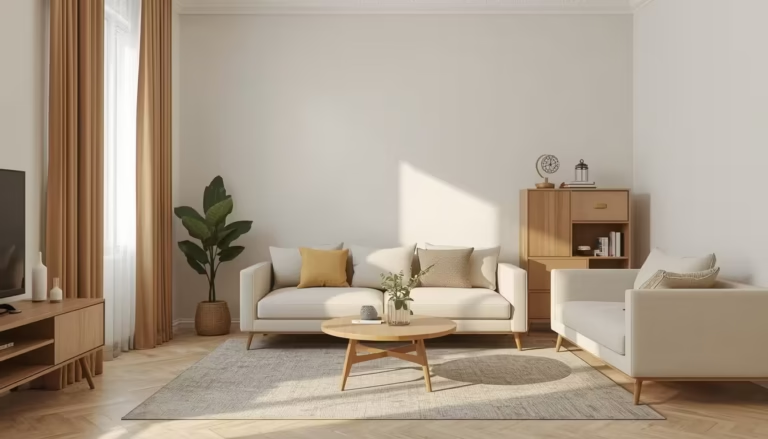
Furniture for rented apartments must work within a set of common limitations. Tenants usually cannot drill walls, alter interiors, or install built-in furniture. Storage space is often limited, and layouts can vary widely from one home to another. Publications like Architectural Digest share practical ideas for making rental spaces more functional without permanent changes
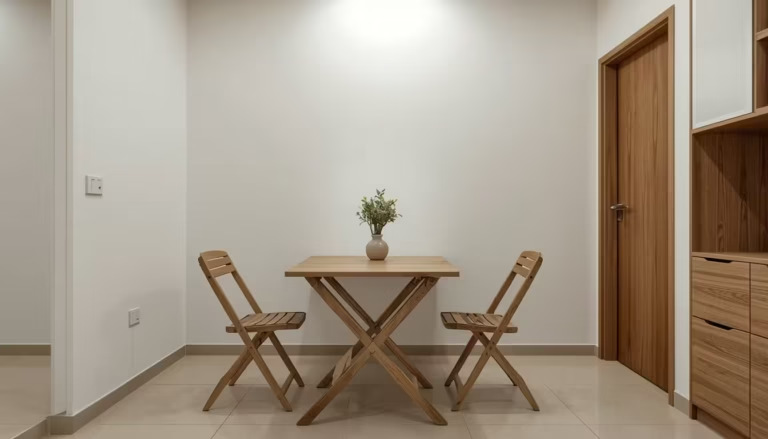
Many of these space-related issues are similar to what homeowners face in compact properties, which we have covered in detail in our guide on furniture for small Indian homes. Foldable tables and compact seating make dining room furniture more suitable for rented apartments with limited space.
Another challenge is mobility. Many renters relocate every few years due to work or lifestyle changes. Furniture that is difficult to dismantle or transport can become a burden over time. Large wardrobes, heavy beds, or fixed units may not suit a renter’s lifestyle.
Budget is also a factor. Renters often prefer practical spending over long-term investments, which makes affordability and durability equally important.
Rental-Friendly Furniture That Works Well
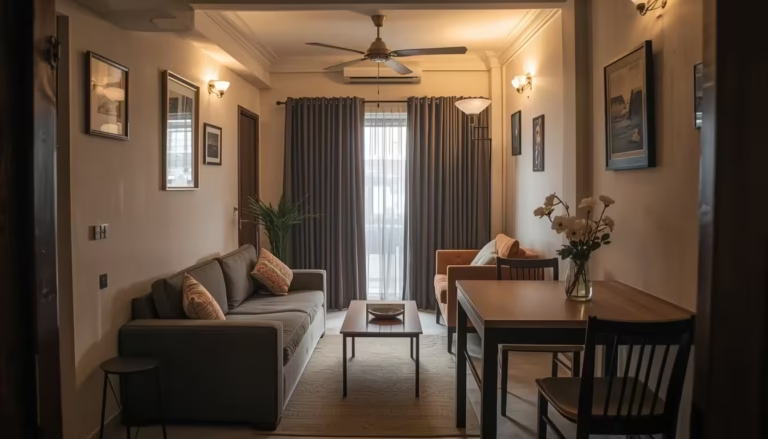
Rental friendly furniture is designed to be easy to move, assemble, and adapt to different spaces. Lightweight sofas, modular seating, and simple storage units work well in rental homes because they can be rearranged or relocated easily.
Foldable tables and stackable chairs are useful for homes with limited space. They can be stored away when not in use, helping the room feel open. Open shelving units are also popular since they do not require wall drilling and can be moved without damage.
Another advantage of rental friendly furniture is flexibility. These pieces can be used in different room sizes and layouts, making them suitable for long-term rental living.
Budget-Friendly Furniture for Renters
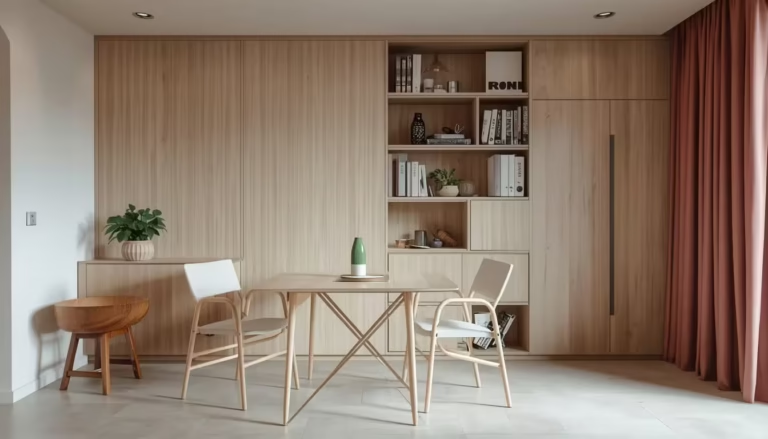
Budget furniture for renters should balance cost, durability, and comfort. While it may be tempting to choose the cheapest options, low-quality furniture often wears out quickly and needs replacement.
Instead, renters should focus on smart spending. Investing in a few key pieces such as a comfortable bed, a sturdy sofa, and a practical storage unit can improve daily living. These items should be durable enough to survive multiple moves.
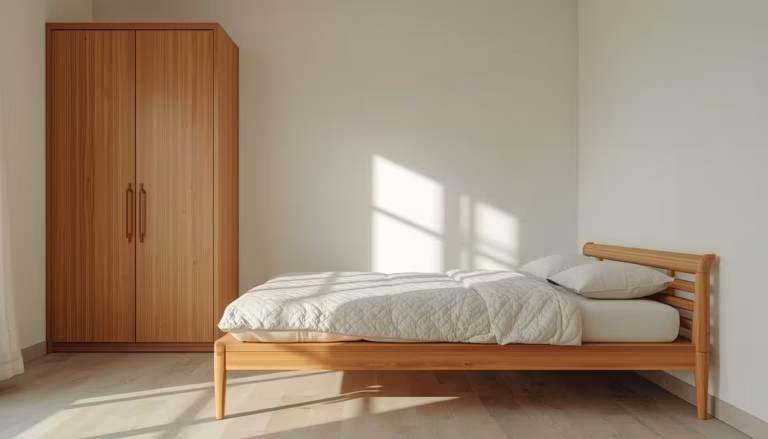
Lightweight beds and practical wardrobes are essential when selecting bedroom furniture for rental homes. Budget furniture for renters should also be easy to maintain. Simple designs with fewer parts reduce the risk of damage and make repairs easier if needed.
Best Furniture Types for Rental Flats
Furniture for rental flats should match both the size of the home and the lifestyle of the tenant. In living rooms, compact sofas, lounge chairs, and nesting tables work well without taking up too much space.
In compact rental homes, choosing the right living room furniture helps maintain comfort without overcrowding the space.
For bedrooms, beds with built-in storage help reduce the need for extra cupboards. Lightweight wardrobes or modular closets are easier to move when changing homes. In dining areas, foldable tables or compact dining sets are ideal for shared spaces.
Choosing versatile furniture allows renters to adapt their setup without needing to replace everything when they move to a new home.
How to Move and Maintain Furniture Easily
Furniture for rental homes in India should be easy to transport and maintain. Flat-pack furniture, knock-down designs, and lightweight materials reduce moving effort and costs. Pieces that can be dismantled quickly are especially useful for frequent movers.
Maintenance is equally important. Furniture that requires minimal care saves time and money. Simple cleaning routines, durable finishes, and stain-resistant fabrics help keep furniture looking good over time.
Choosing the right materials also makes a difference, especially when it comes to long-term use, which is explained in our guide on best furniture materials for Indian homes.
By choosing furniture that is both mobile and low-maintenance, renters can enjoy a comfortable home without long-term hassle.
Mistakes to Avoid When Buying Furniture for Rentals
One common mistake renters make is buying furniture that is too heavy or difficult to move. Large wooden wardrobes, fixed beds, and bulky sofas may look impressive, but they can become a burden during relocation. Moving such furniture increases costs and raises the risk of damage.
Another mistake is overspending on luxury furniture that does not suit temporary living. While premium pieces may offer comfort, they are often not practical for rental homes where layouts change frequently. Renters should focus on value, durability, and flexibility rather than long-term investment pieces.
Many renters also ignore measurements. Buying furniture without checking door widths, stair access, or room dimensions can lead to delivery issues and poor fit. Furniture for rented apartments should always be chosen with movement and access in mind.
Finally, some renters overlook storage needs. Without smart storage solutions, clutter builds up quickly in small rental homes. Choosing furniture that includes built-in storage or modular units helps keep the space organised and functional.
Furnished vs Unfurnished Rental Homes: What to Consider
Choosing furniture for a rental home depends heavily on whether the property is furnished or unfurnished. Furnished rentals usually come with basic items such as beds, wardrobes, and sofas. In these homes, renters often only need to add smaller pieces like side tables, storage units, or compact seating.
In unfurnished rentals, tenants have more freedom but also more responsibility. They need to select essential furniture that fits the space, budget, and expected length of stay. Lightweight and modular furniture works best in these situations because it can be moved easily when changing homes.
Furnished homes offer convenience, but the furniture may not always match personal comfort or style. Unfurnished homes allow for customisation, but require smarter planning to avoid unnecessary spending.
Understanding the difference helps renters make better furniture decisions based on their living situation.
Conclusion
Choosing the right furniture for rental homes in India is about finding a balance between comfort, flexibility, and practicality. Renters need furniture preferences that supports daily living while remaining easy to move, maintain, and adapt to new spaces.
With thoughtful planning and smart choices, rental homes can feel just as comfortable and functional as permanent residences. In 2026, the focus is on making rental living simpler, more efficient, and better suited to modern Indian lifestyles.